
Our Fellows & Scholars
2026
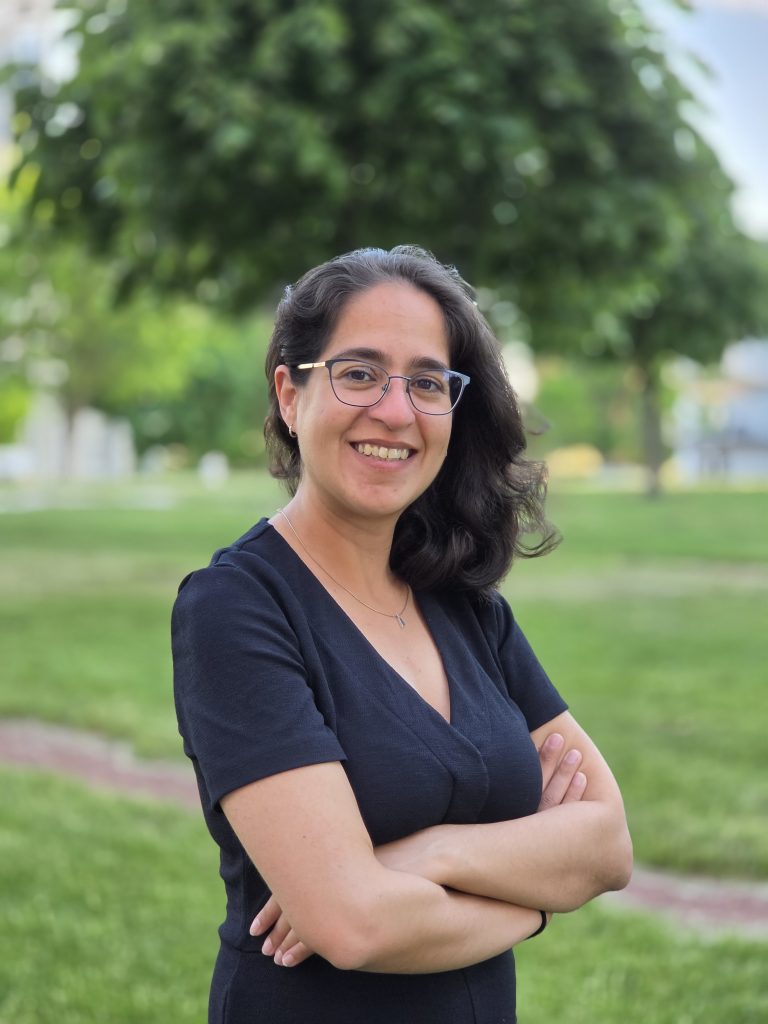
Yael
Alush
Postdoctoral Fellow
Columbia University
RESEARCH PROPOSAL: Relativistic Dynamics of Extreme Mass Ratio Inspirals Around Spinning Black Holes
DEPARTMENT:
Columbia Astrophysics Lab
ADVISOR:
Brian Metzger
AFFILLIATED ISRAELI INSTITUTION:
Hebrew University
Read More
Yael Alush completed her PhD in Physics at the Hebrew University of Jerusalem as an Azrieli Fellow, under the supervision of Nicholas Stone.
Her research focuses on massive black holes at the centers of galaxies and on the dynamics of the star clusters that surround them. She studies two of the most extreme events in the universe: tidal disruption events, in which a star is torn apart by the gravitational forces of a supermassive black
hole, and extreme mass ratio inspirals, in which a compact object gradually spirals into a massive black hole while emitting gravitational waves. Her work addresses key uncertainties in theoretical models, contributing directly to tests of Einstein's theory of general relativity.
As a Kalaniyot Postdoctoral Fellow, she joins the Columbia Astrophysics Lab
2026
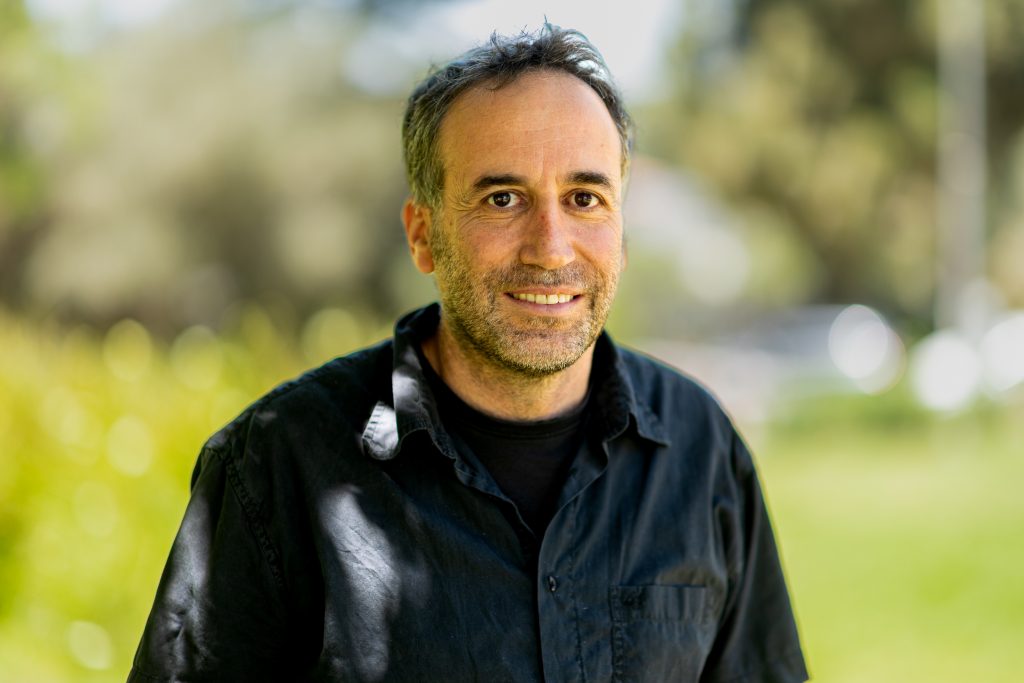
Shahar
Arzy
Visiting Scholar
Dartmouth College
RESEARCH PROPOSAL: Trajectories through a multifaceted disease: Brain-wide association and computational modeling of Alzheimer’s disease phenotypes
DEPARTMENT:
Psychological and Brain Sciences
ADVISOR:
Jeremy Manning
AFFILLIATED ISRAELI INSTITUTION:
Hebrew University; Hadassah Medical Center
Read More
Shahar Arzy, PhD, is Director of the Computational Neuropsychiatry Lab at the Hebrew University and lead neurologist at the Neuropsychiatry Clinic at Hadassah Medical Center.
His work bridges clinical neurology and computational cognitive neuroscience, studying how the brain represents self, memory and meaning under both healthy and disordered conditions.
As a Visiting Scholar at the Dartmouth Kalaniyot Chapter, he is fostering cross-disciplinary collaboration with Dartmouth researchers in psychological and brain sciences, neurology and cognitive science, with particular emphasis on ecologically valid behavioral paradigms and the neural underpinnings of life significance and personal meaning.
2026
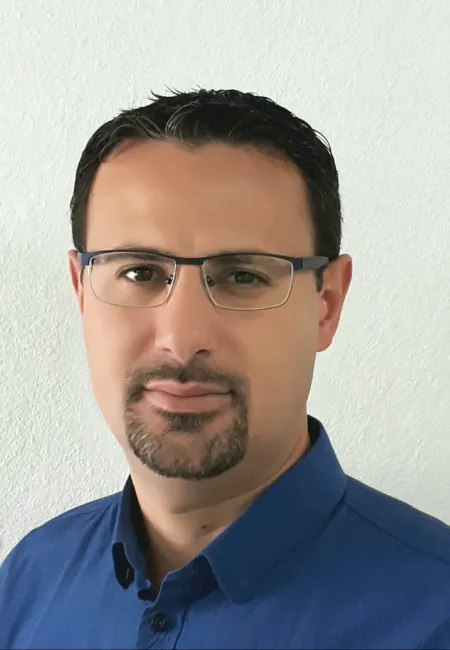
Loai
Basheer
Sabbatical Scholar
Cornell University
RESEARCH PROPOSAL: Impact of Spotted Lanternfly (Lycorma delicatula) on Bioactive Composition and Sensory Quality of Grape-Derived Products
DEPARTMENT:
Food Science
ADVISOR:
Gavin Sacks
AFFILLIATED ISRAELI INSTITUTION:
Tel-Hai University
Read More
Loai Basheer, PhD, is a member of the Food Sciences Department at Tel-Hai University in Kiryat Shmona and the Galilee.
At Cornell he works with Prof. Gavin Sacks in the Department of Food Science, investigating how the spotted lanternfly affects the chemical composition and sensory quality of grape-derived products, with particular attention to the risks of insect co-processing during mechanical harvesting.
Using a range of insect inclusion levels, the research applies metabolomics, volatile profiling and sensory evaluation to identify the key drivers of quality defects. The goal is to determine how the spotted lanternfly alters bioactive and aroma compounds, ultimately giving the industry a framework to manage contamination risks and preserve product quality.
2026
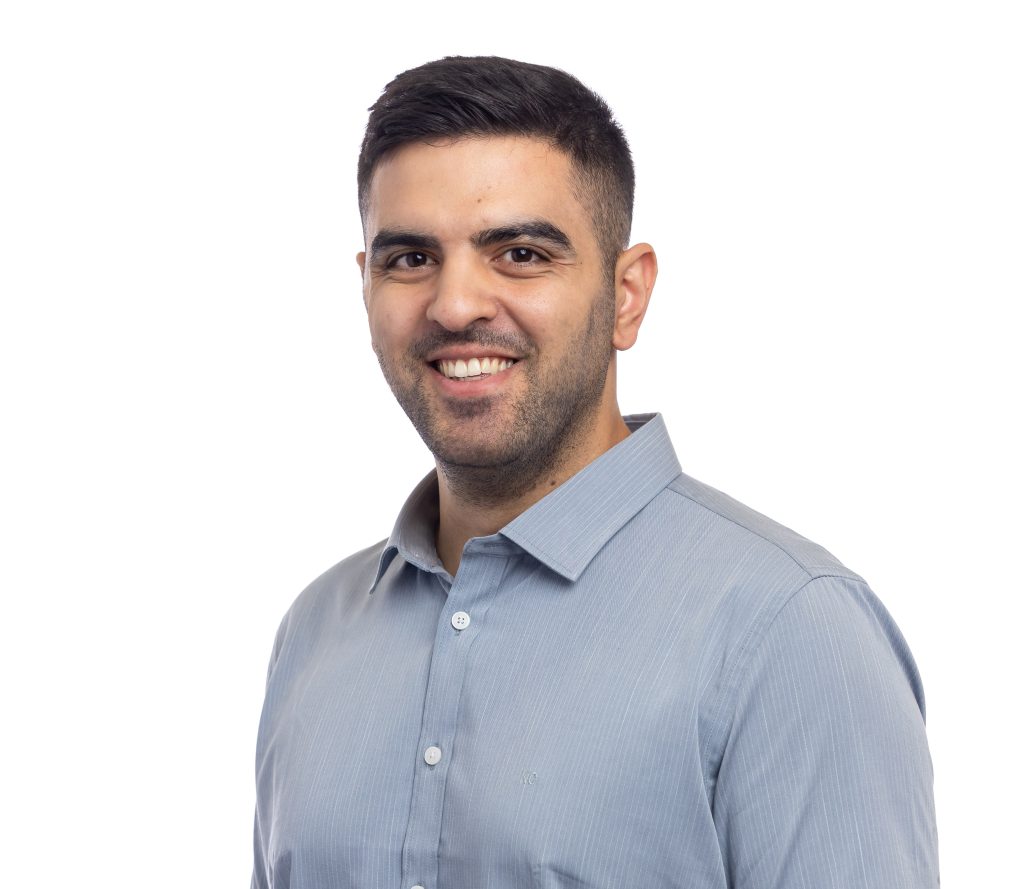
Ezra
Ben-Abu
Postdoctoral Fellow
Columbia University
RESEARCH PROPOSAL: From sand to castle: Fully automated robotic construction from local materials
DEPARTMENT:
Mechanical Engineering
ADVISOR:
Hod Lipson
AFFILLIATED ISRAELI INSTITUTION:
Technion
Read More
Ezra Ben-Abu completed his PhD in Mechanical Engineering at the Technion.
His research focuses on multistable structures, architected materials, soft robotics, deployable
structures and metafluids. During his doctoral studies, he developed a novel method for programming and fabricating multistable structures by harnessing mechanical instabilities and nonlinear deformations in thin cylindrical shells.
As a Kalaniyot Fellow at Columbia University, his postdoctoral research explores the autonomous construction of adaptive structures and scalable fabrication strategies for next-generation reconfigurable architectures.
2026
Avital
Ben-Haim
Postdoctoral Fellow
Harvard University
RESEARCH PROPOSAL: Structural and mechanistic analysis of the CELSR1-VANGL2 Planar Polarity Complex
DEPARTMENT:
Harvard Medical School Biological Chemistry and Molecular Pharmacology
ADVISOR:
Stephen Blacklow
AFFILLIATED ISRAELI INSTITUTION:
Hebrew University
Read More
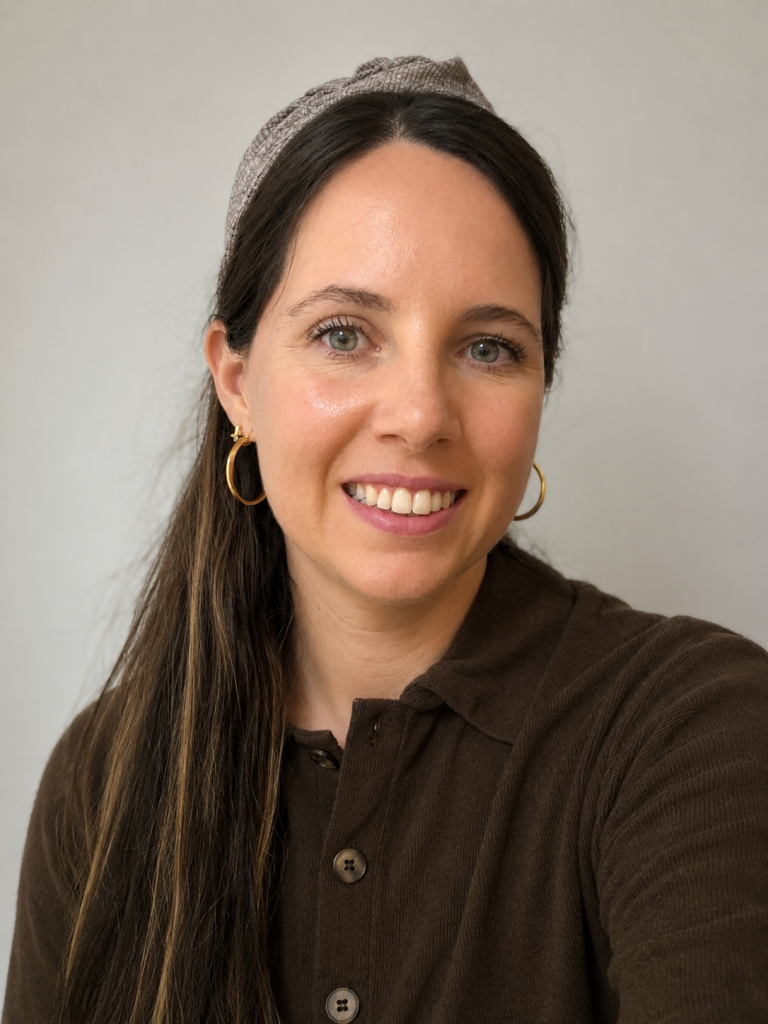
Avital Ben-Haim, PhD, is a Blavatnik Fellow in Life Sciences at Harvard Medical School, working in the laboratory of Prof. Stephen Blacklow in the Department of Biological Chemistry and Molecular Pharmacology.
Her fellowship research focuses on the structural and mechanistic basis of planar cell polarity (PCP) signaling, a fundamental pathway that enables cells to align with their neighbors across a tissue and that, when disrupted, can lead to developmental defects such as spina bifida, hearing loss, and kidney abnormalities.
She is investigating the CELSR1–VANGL2 complex, a core molecular assembly that acts as a compass allowing cells to orient properly within a tissue, using an integrated approach that combines AlphaFold structure prediction, protein engineering, cryo-electron microscopy, and cell-based assays to define how the complex forms and how disease-associated mutations disrupt its assembly and function.
Through this work, she aims to combine her background in materials science, imaging, and delivery systems with biological and structural characterization to address fundamental questions in cell biology and contribute to impactful biomedical research.
Ben-Haim completed her PhD in Biochemistry at the Hebrew University of Jerusalem, conducted in collaboration with the Volcani Institute (Agricultural Research Organization) under the joint supervision of Prof. Guy Mechrez and Prof. Elazar Fallik. Her doctoral research centered on the mechanistic design of protein-based and colloidal nanocarriers for biological delivery, focusing on how interfacial chemistry, surface charge, and nanoscale organization govern interactions with living systems.
She earned her MSc in Chemistry at Bar-Ilan University, jointly supervised by Prof. Chaim Sukenik and Prof. Guy Mechrez, with research on emulsions stabilized by carbon nanotubes and silica nanoparticles, and holds a BSc in Biochemistry from the Hebrew University of Jerusalem.
During her graduate studies, she also served as a teaching assistant and lecturer in Physics Units and Food Engineering courses at the Hebrew University, earning recognition for excellence in teaching, and received a poster award at the 50th Conference of the Israeli Polymers & Plastics Society.
2026
Gabriel
Braun
Postdoctoral Fellow
Dartmouth College
RESEARCH PROPOSAL: Information Processing as Shaped by Belief and Disbelief
DEPARTMENT:
Psychological and Brain Sciences
ADVISOR:
Emily Finn
AFFILLIATED ISRAELI INSTITUTION:
Tel-Aviv University
Read More
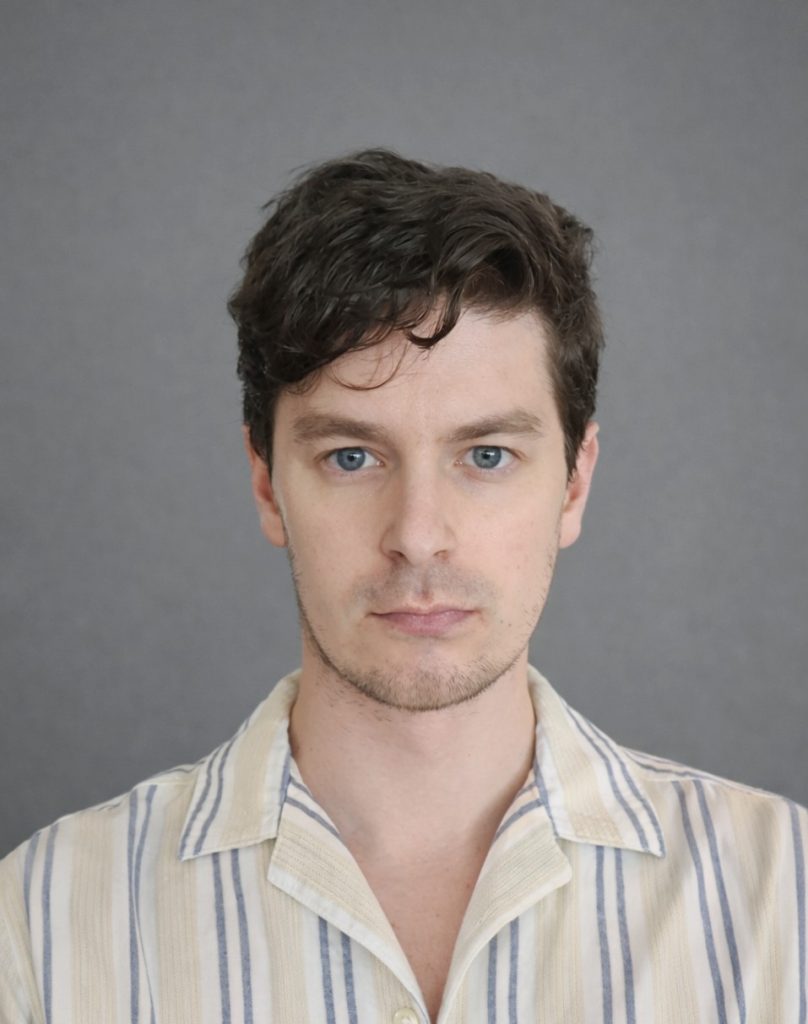
Gabriel Braun completed his PhD in neuroscience at Tel Aviv University.
His interdisciplinary research explores how people process and represent truth, trust and commitment in communication, drawing on cognitive neuroscience, psychology, linguistics and
computational modeling.
Using behavioral experiments, naturalistic narratives and language models, he investigates how the processing of truth influences the ways individuals and their brains respond to information and misinformation.
As a Kalaniyot Postdoctoral Fellow at Dartmouth College, he continues this work in collaboration with Dr. Emily Finn in Psychological and Brain Sciences.
2026
Amitay
Cohen
Postdoctoral Fellow
Columbia University
RESEARCH PROPOSAL: Finding Evidence for Ferroptosis in Pancreatic Langerhans Cells of Children with Type 2 Diabetes
DEPARTMENT:
Biological Sciences; Naomi Berrie Diabetes Center
ADVISOR:
Brent Stockwell
AFFILLIATED ISRAELI INSTITUTION:
Hebrew University
Read More
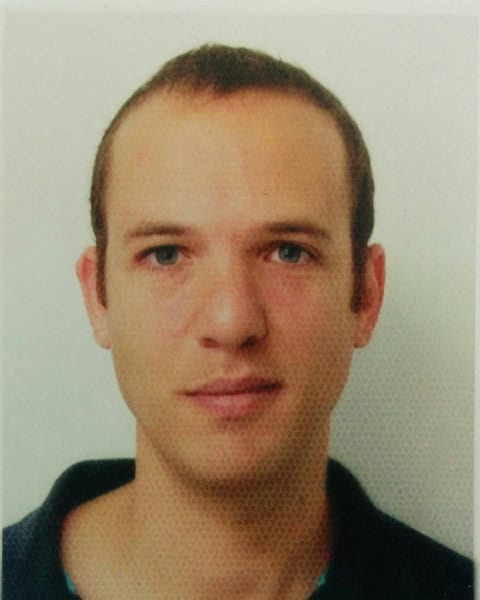
Amitay Cohen, MD, is a junior faculty member and consulting physician in pediatric endocrinology at Hadassah–Hebrew University Medical Center in Jerusalem.
He earned his B.Sc. in Biology, summa cum laude, from Tel Aviv University and his MD from the Hadassah–Hebrew University Medical School, then completed his residency in pediatrics and a fellowship in pediatric endocrinology at Hadassah.
Clinically, he is an attending physician in pediatrics at Hadassah Mount Scopus and manages an active, diverse pediatric endocrinology clinic. He also leads dedicated cystic fibrosis–related diabetes and multidisciplinary endocrinology–nephrology clinics. He is deeply involved in medical education, having previously directed the student pediatric clerkship, and serves on the Israeli government medical licensure examination staff and the Pediatric Board Examination Committee.
As a clinician-researcher, his work bridges bedside clinical puzzles with basic laboratory science. His current research focuses on the genetic mechanisms of ovarian dysgenesis and on novel approaches to rare genetic forms of diabetes, including Wolfram Syndrome Type 2. His contributions have been recognized with competitive research grants and honors, including the Endocrine Society Outstanding Abstract Award in 2023 and the Israeli Society for Clinical Pediatrics Outstanding Poster Award in 2025.
2026
Lital
Dabush
Postdoctoral Fellow
Columbia University
RESEARCH PROPOSAL: Physics-Informed Deep Learning for Video Authentication and Media Forensics
DEPARTMENT:
Electrical Engineering
ADVISOR:
James Anderson
AFFILLIATED ISRAELI INSTITUTION:
Ben-Gurion University
Read More
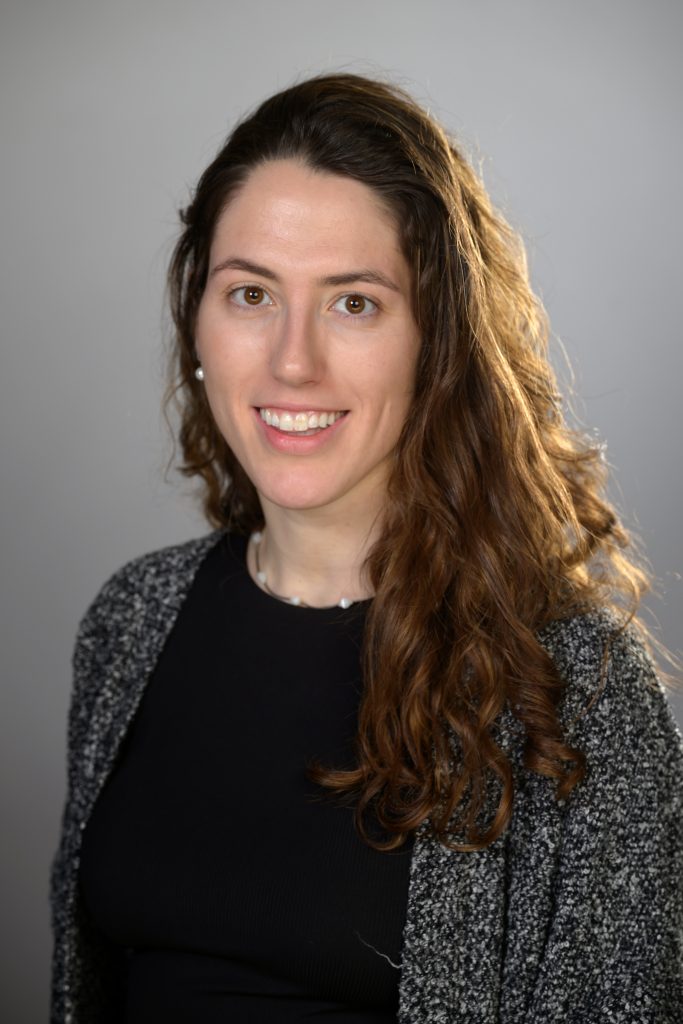
Lital Dabush received her PhD from Ben-Gurion University of the Negev, where her research focused on graph signal processing, statistical signal processing and model-based deep learning, with applications to dynamic network inference, sampling and recovery, and detection in areas such as power systems, transportation networks and wireless sensor networks.
She completed both her B.Sc. in Physics (cum laude) and her B.Sc. in Electrical Engineering (summa cum laude) in 2020, followed by an M.Sc. in Electrical Engineering (cum laude) in 2021, all at Ben-Gurion University.
Her work has been recognized with the Intel Prize for Outstanding Students, the Apple Excellence Award, the Ministry of Energy PhD Fellowship and the Ariane de Rothschild Women's Doctoral Fellowship. She also gained industry experience as a student algorithm developer at Mobileye.
2026
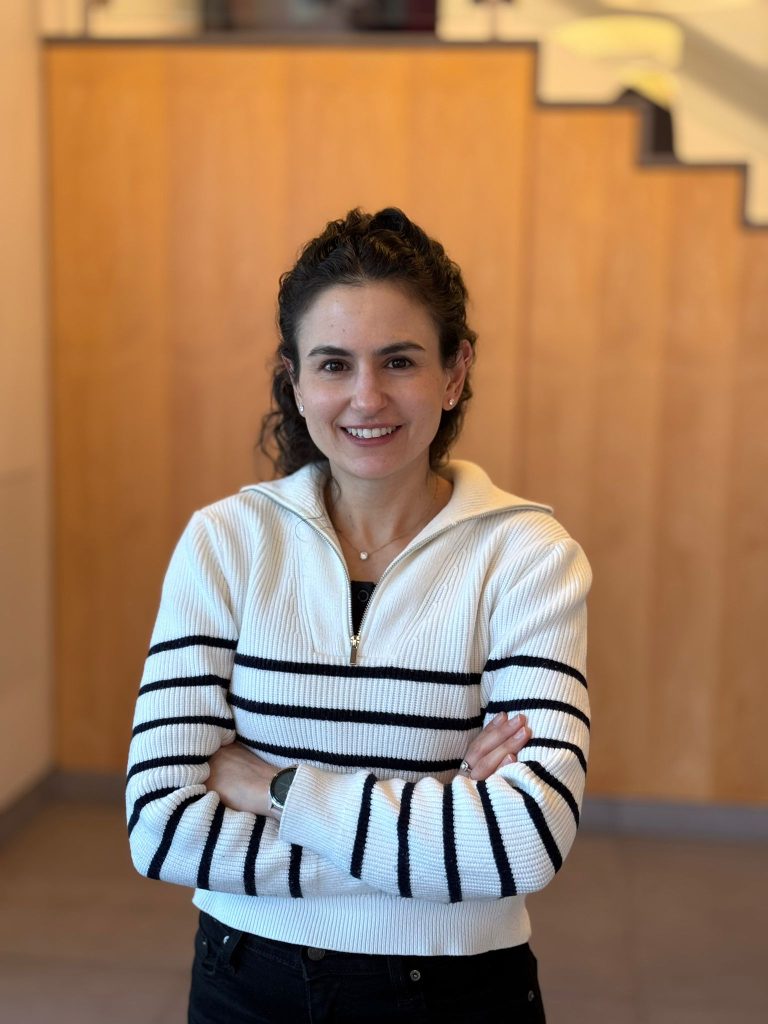
Eden
Eran-Nagar
Postdoctoral Fellow
Cornell University
RESEARCH PROPOSAL: AI-Guided Optimization of Biofortified, Climate-Resilient Wheat for Iron and Zinc Bioavailability
DEPARTMENT:
Food Science
ADVISOR:
Elad Tako
AFFILLIATED ISRAELI INSTITUTION:
Technion
Read More
Eden Eran Nagar completed her PhD in Biotechnology and Food Engineering at the Technion in Haifa in 2023.
As a Kalaniyot Postdoctoral Fellow at Cornell she works with Prof. Elad Tako in Food Science, using advanced analytical and multi-omics approaches to explore how climate-resilient staple crops interact with the gut microbiome to improve nutrient absorption and address global malnutrition.
She is committed to cultivating a positive, inclusive academic environment and to building collaborative bridges between U.S. and Israeli scholars, and is excited to engage with the Cornell community, exchange ideas across disciplines and advance science that benefits both people and the global food system.
2026
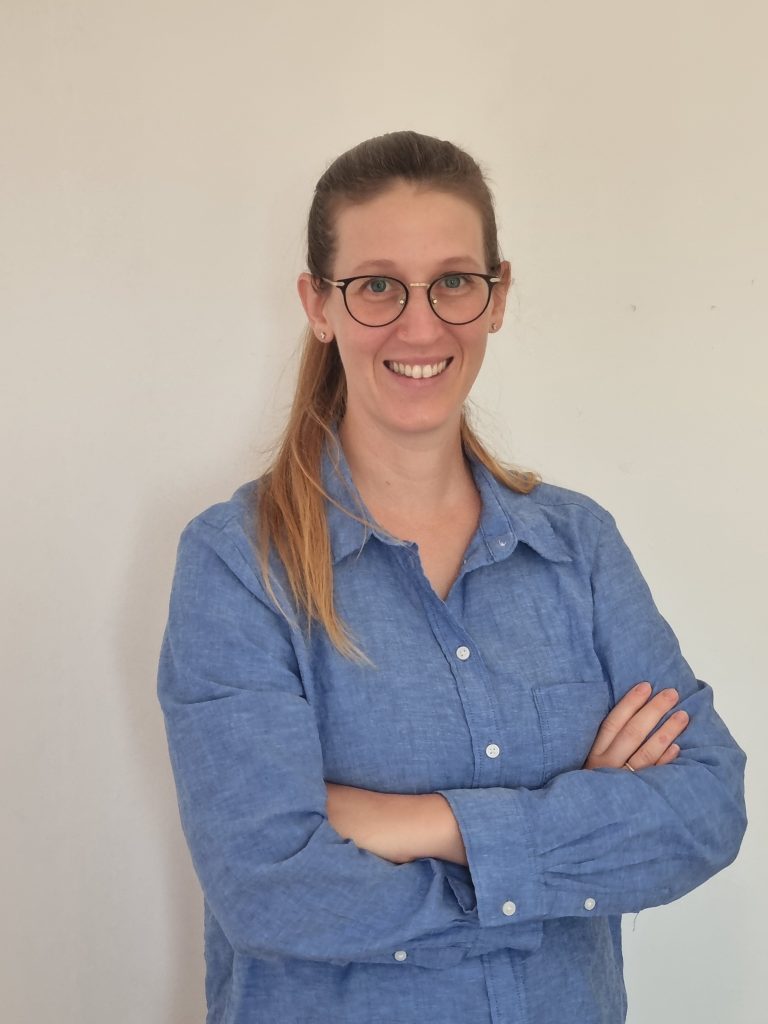
Gal
Finkelstein-Zuta
Postdoctoral Fellow
Massachussets Institute of Technology - MIT
RESEARCH PROPOSAL: Self-assembly of diamond-lattice photonic crystals for omnidirectional light confinement and wave guiding
DEPARTMENT:
Materials Science and Engineering (DMSE)
ADVISOR:
Robert J. Macfarlane
AFFILLIATED ISRAELI INSTITUTION:
Tel-Aviv University
Read More
Gal Finkelstein-Zuta holds dual B.Sc. degrees in Chemistry and Chemical Engineering from Ben-Gurion University of the Negev, followed by an M.Sc. and PhD in Materials Science and Engineering from Tel Aviv University. Her doctoral research, supervised by Prof. Ehud Gazit, led to the discovery of a transparent, adhesive, peptide-based glass with exceptional properties, published in Nature. The work was recognized with the Graduate Student Gold Medal Award from the Materials Research Society, and she is also a recipient of the Zuckerman STEM Leadership Program Fellowship.
Her research lies at the intersection of materials science, chemistry and biology, focusing on how the molecular organization of biological building blocks gives rise to functional materials. During her PhD she investigated the fundamental principles governing the self-assembly of short peptides into both ordered and disordered architectures, and in particular the mechanisms enabling exceptional structures such as amorphous peptide-based glass.
As an MIT-Kalaniyot Postdoctoral Fellow in the MIT Department of Materials Science and Engineering, her goal is to leverage programmable self-assembly for the scalable fabrication of materials with properties that are otherwise difficult to realize through conventional approaches.
2026
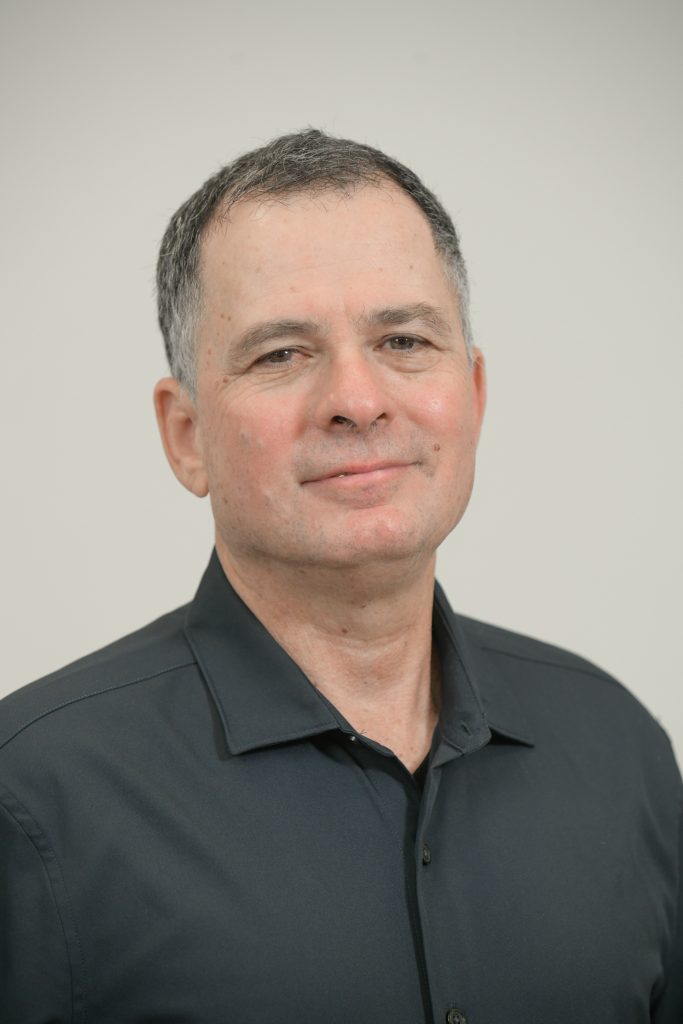
Ofer
Hadar
Visiting Scholar
Dartmouth College
RESEARCH PROPOSAL: A collaborative project using Dartmouth's Boston Dynamics Spot robot to explore how vision-language models can improve robotic reasoning and interaction in real-world settings
DEPARTMENT:
Engineering
ADVISOR:
Peter Chin; Bryce Ferguson
AFFILLIATED ISRAELI INSTITUTION:
Ben-Gurion University
Read More
Ofer Hadar, PhD, is a professor in the School of Electrical and Computer Engineering at Ben-Gurion University of the Negev, with internationally recognized expertise in multimodal AI, computer vision and adversarially robust perception systems.
His research focuses on developing trustworthy AI-driven robotics that can interpret visual scenes, understand natural-language commands, and navigate complex environments safely and reliably.
2026
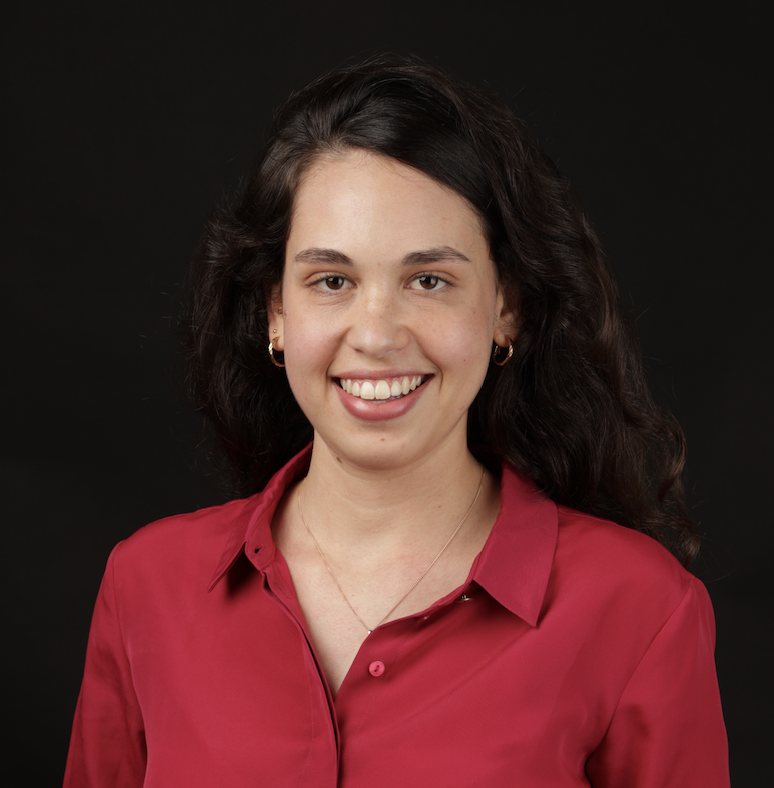
Roni
Hahn
Postdoctoral Fellow
Harvard University
RESEARCH PROPOSAL: Controlled In Vivo Engineering of Targeted GD2-CAR T Cells for Pediatric Solid Tumors
DEPARTMENT:
Harvard Medical School Pediatric Oncology
ADVISOR:
Robbie Majzner
AFFILLIATED ISRAELI INSTITUTION:
Tel-Aviv University
Read More
Roni Hahn, PhD, is a Postdoctoral Fellow in the Department of Pediatric Oncology at Dana-Farber Cancer Institute and Boston Children's Hospital. She earned her PhD from the Gray Faculty of Medical and Health Sciences at Tel Aviv University under the supervision of Prof. Karen Avraham, and previously completed an M.Sc. in Molecular Genetics at Ben-Gurion University of the Negev.
Her doctoral research focused on genetic therapies and the mechanistic basis of the auditory and vestibular systems. The work deepened understanding of these disorders and demonstrated the potential of gene therapy to restore sensory function, laying groundwork for safer and more effective inner ear gene therapies with potential for clinical translation. She led that research in collaboration with colleagues at Harvard Medical School and Boston Children's Hospital through the U.S.-Israel Binational Science Foundation, making her move to Harvard for postdoctoral training a natural next step.
As a Dorot Fellow at Harvard Medical School in Dr. Robbie Majzner's laboratory, she has extended her expertise in targeted genetic therapies for inherited disorders into cancer immunotherapy. Her current research develops an in vivo platform for engineering targeted CAR T cells for pediatric solid tumors, generating and optimizing therapeutic CAR T cells directly within the body, and she hopes to contribute to innovative therapies that ultimately benefit patients.
2026
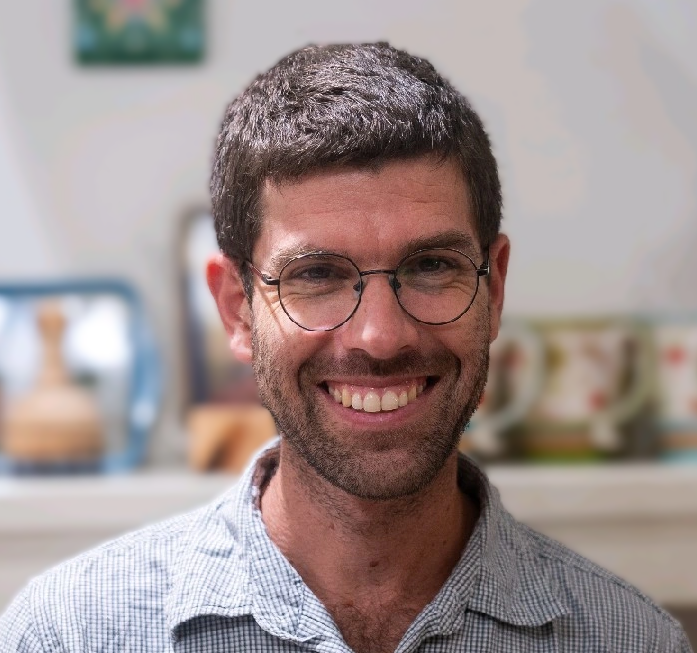
Elhanan
Harel
Postdoctoral Fellow
Dartmouth College
RESEARCH PROPOSAL: Tracing Martian Drainage Reorganization
DEPARTMENT:
Earth and Planetary Sciences
ADVISOR:
Marisa Palucis
AFFILLIATED ISRAELI INSTITUTION:
Ben-Gurion University
Read More
Elhanan Harel, PhD, joined Dartmouth from Ben-Gurion University of the Negev, where he earned his PhD in Earth and Environmental Sciences.
His research integrates geospatial analysis, modeling and fieldwork to investigate the evolution of drainage networks and sediment transport systems, from mountainous headwaters to deep marine environments.
As a Kalaniyot Postdoctoral Fellow, he works within the planetary geomorphology group led by Dr. Marisa Palucis, focusing on Martian drainage systems. His research combines field observations with quantitative geomorphic analysis to better understand the fluvial processes that shaped planetary landscapes and influenced the geological history of Mars.
2026
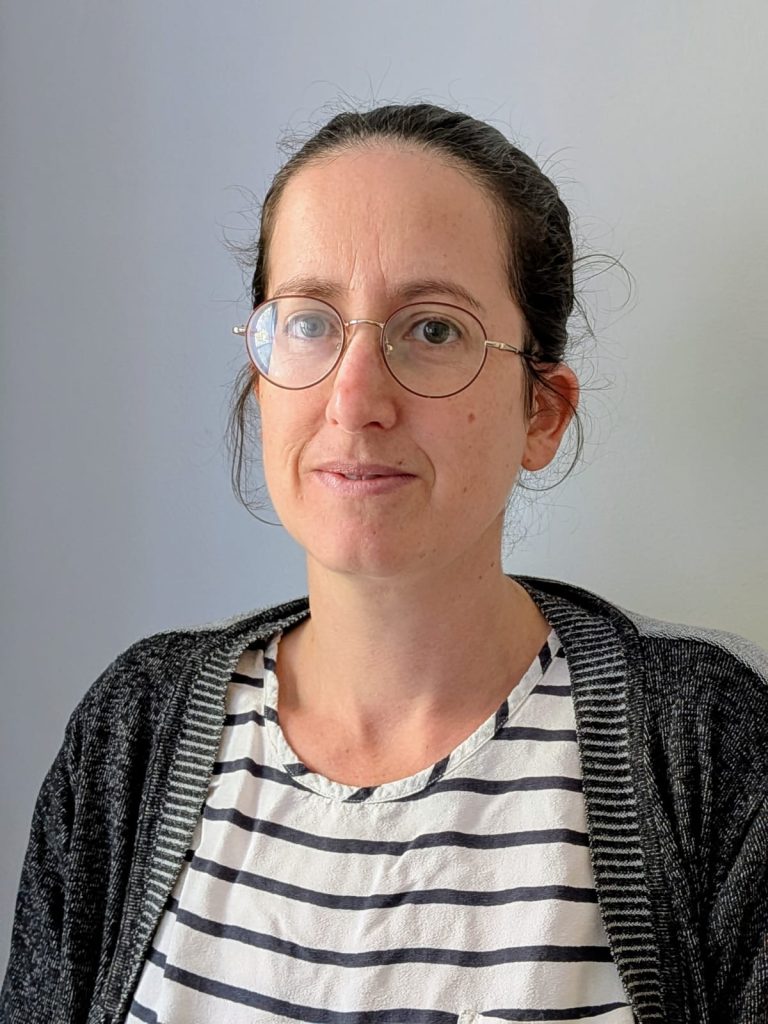
Naomi
Havron
Sabbatical Scholar
Cornell University
RESEARCH PROPOSAL: Developing PsyNetTot, an online platform to study the minds of infants and children
DEPARTMENT:
Psychology
ADVISOR:
Nori Jacoby
AFFILLIATED ISRAELI INSTITUTION:
University of Haifa
Read More
Naomi Havron, PhD, is a professor in the Department of Psychology and the Interdisciplinary Programs in Child Development at the University of Haifa.
At Cornell she is collaborating with Professor Nori Jacoby in the Department of Psychology to develop PsyNetTot, an online research platform adapted from the Jacoby Lab's PsyNet system and designed to overcome the logistical and behavioral challenges of studying infants and young children.
By integrating her expertise in developmental science with her close collaboration with the Jacoby Lab, the platform will enable large-scale, global and adaptive studies addressing five fundamental questions of human nature: the mapping of words to concepts, the acoustic appeal of "baby talk," the universality of musical octave equivalence, the triggers for early moral judgment, and global preferences in children's music.
2026
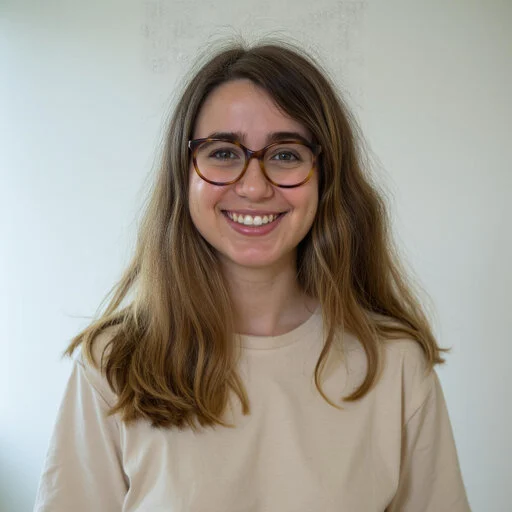
Shira
Hebel-Sela
Postdoctoral Fellow
University of Pennsylvania
RESEARCH PROPOSAL: Why people embedded in intergroup conflict become more susceptible to conspiracy theories and false narratives — and how the psychological dynamics of group identity shape what people believe and share
DEPARTMENT:
Communication
ADVISOR:
Emily Falk; Yphtach Lelkes
AFFILLIATED ISRAELI INSTITUTION:
Hebrew University
Read More
Shira Hebel-Sela earned her PhD in psychology from the Hebrew University of Jerusalem, in the direct PhD track for outstanding students, under the supervision of Prof. Eran Halperin (Hebrew University) and Prof. Boaz Hameiri (Tel Aviv University).
Her dissertation is on optimizing psychological intergroup interventions.
She holds a B.A. in International Relations and Psychology from the Hebrew University.
2026
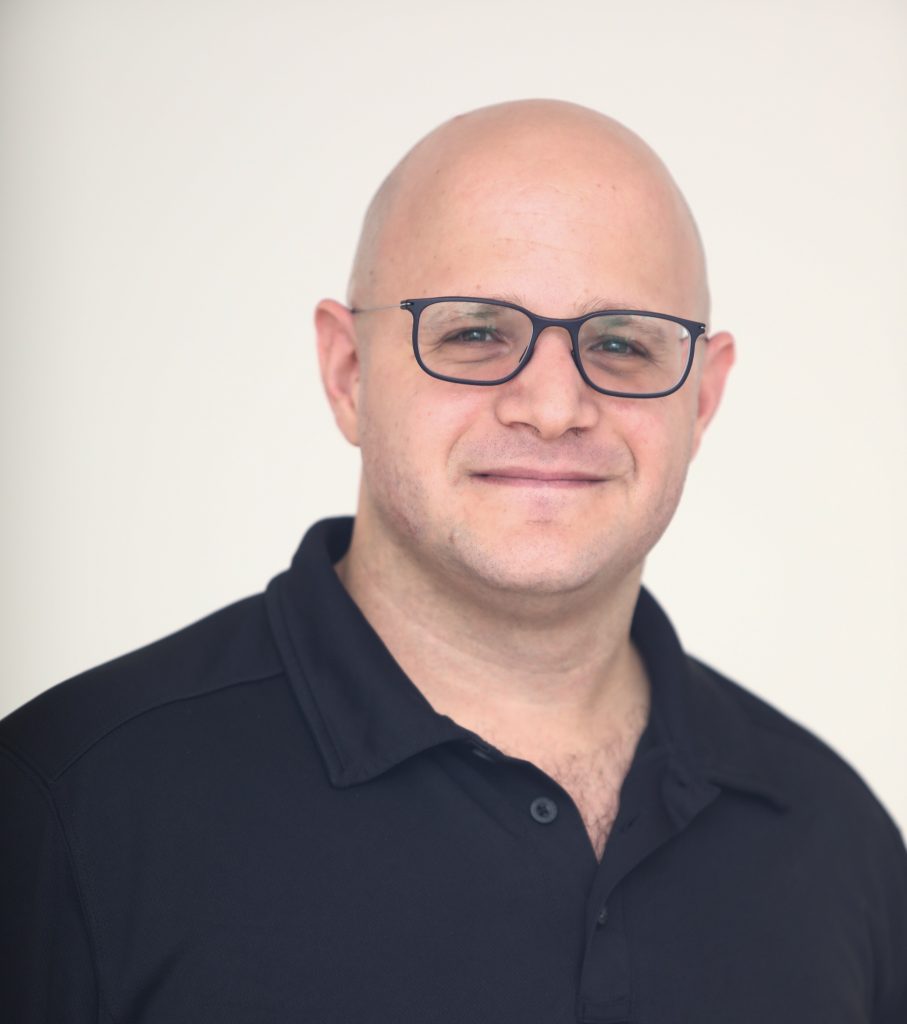
Barak
Hirshberg
Sabbatical Scholar
Massachussets Institute of Technology - MIT
RESEARCH PROPOSAL: Investigate analogies between electron transport in disordered media and information flow during LLM inference, focusing on how disorder and randomness affect efficiency, robustness, and emergent behaviors in both systems.
DEPARTMENT:
Chemistry
ADVISOR:
Adam Willard
AFFILLIATED ISRAELI INSTITUTION:
Tel-Aviv University
Read More
Barak Hirshberg, PhD, is an Associate Professor in the School of Chemistry at Tel Aviv University. He was previously a Rothschild postdoctoral fellow in the group of Prof. Michele Parrinello at ETH Zurich, and obtained his PhD as an Adams Fellow of the Israel Academy of Sciences and Humanities at the Hebrew University of Jerusalem under Prof. R. B. Gerber.
The Hirshberg Lab develops computer simulations to understand the dynamics of quantum and classical molecular condensed phases. A central focus is the development of path integral molecular dynamics methods for indistinguishable particles, with applications to quantum phase transitions and transport properties. Another key theme is enhanced sampling methods based on stochastic resetting, which accelerate the exploration of slow chemical transformations such as polymorphism in molecular crystals and conformational changes in biomolecules. Most recently the lab has applied statistical mechanics to improve the training and inference of machine-learning models.
His honors include the 2025 Israel Chemical Society Prize for Outstanding Young Scientist, the 2025 American Chemical Society COMP OpenEye/Cadence Molecular Sciences Outstanding Junior Faculty Award, the 2023 Journal of Chemical Physics Best Paper by an Emerging Investigator Award, and Tel Aviv University's Rector Excellence in Teaching Award.
2026
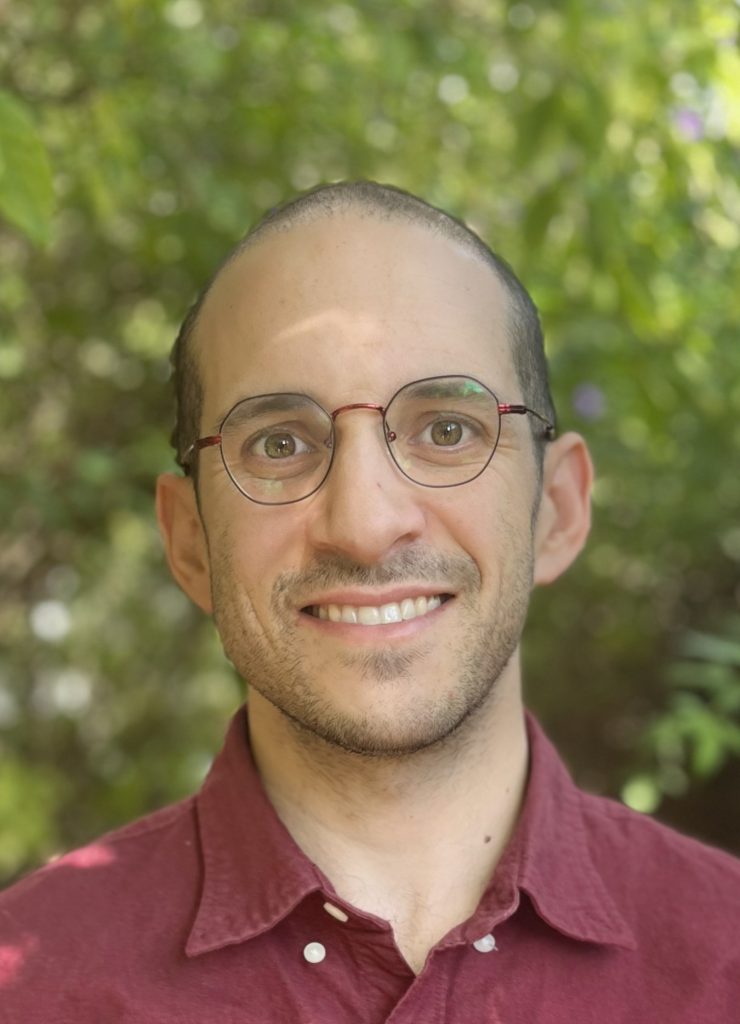
Guy
Ishai
Postdoctoral Fellow
Massachussets Institute of Technology - MIT
RESEARCH PROPOSAL: Eliciting Subjective Probabilities Under Source Preferences: An Experiment
DEPARTMENT:
Management; Economics; Brain and Cognitive Sciences
ADVISOR:
Drazen Prelec
AFFILLIATED ISRAELI INSTITUTION:
Hebrew University
Read More
Guy Ishai earned his PhD in economics from the Hebrew University of Jerusalem, advised by Professor Ori Heffetz, and holds a B.Sc. in physics completed within the Amirim Natural Sciences honors program.
During his doctoral studies he was a fellow of the Federmann Center for the Study of Rationality and of the Barbara and Morton Mandel Program in the Humanities and Social Sciences.
He joined MIT as both an MIT-Kalaniyot Fellow and a Rothschild Fellow.
2026
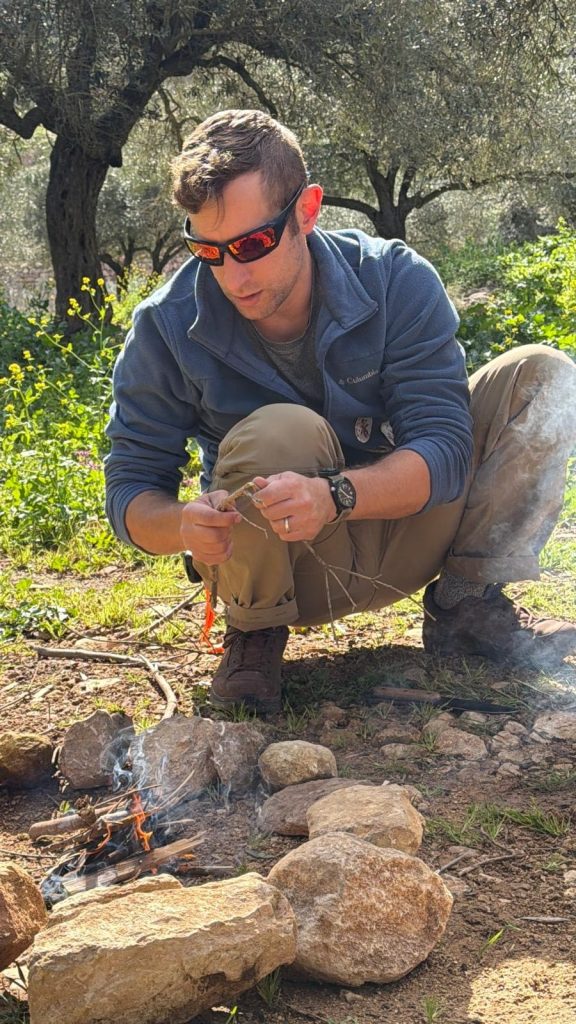
Shachar
Jerushalmi
Postdoctoral Fellow
Cornell University
RESEARCH PROPOSAL: Illuminating Disease: Elucidating the Biological Mechanisms of Hyperspectral Signatures in Grapevine-Pathogen Interactions
DEPARTMENT:
Plant Pathology and Plant Microbe Biology
ADVISOR:
Katie Gold
AFFILLIATED ISRAELI INSTITUTION:
Hebrew University
Read More
Shachar Jerushalmi earned his PhD in Plant Pathology at the Hebrew University of Jerusalem.
As a Kalaniyot Postdoctoral Fellow at Cornell, he works with Prof. Katie Gold in Plant Pathology and Plant- Microbe Biology at Cornell AgriTech in Geneva, studying the biological mechanisms underlying hyperspectral signatures in grapevine-pathogen interactions.
He is excited to join the Cornell AgriTech community, collaborate with colleagues and engage in new conversations and perspectives. Originally from central Israel, he enjoys spending time in nature and participating in communal activities, and looks forward to getting to know the area.
2026
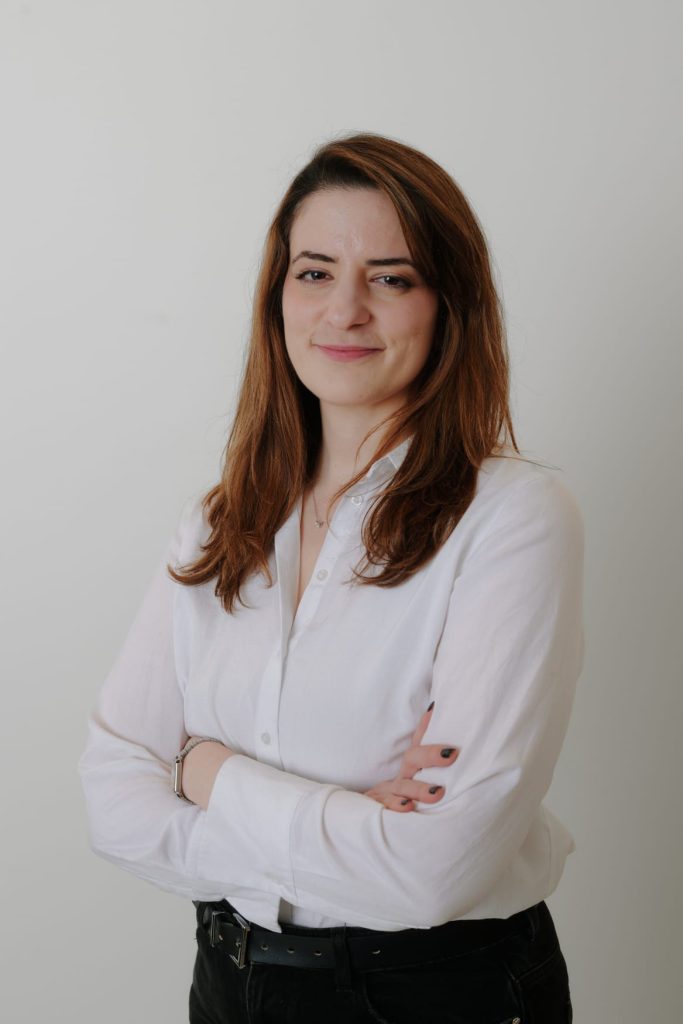
Dana
Katsoty
Postdoctoral Fellow
Columbia University
RESEARCH PROPOSAL: Longitudinal Amygdala Development Following Childhood Trauma: A Big Data Study of Resilience and Vulnerability
DEPARTMENT:
Psychiatry; Irving Medical Center; New York State Psychiatric Institute
ADVISOR:
Yuval Neria
AFFILLIATED ISRAELI INSTITUTION:
Hebrew University
Read More
Dana Katsoty completed her PhD with honors in the Department of Psychology at the Hebrew University of Jerusalem, where her doctoral research with Prof. Ariel Knafo-Noam examined mental health in the context of continuous trauma, focusing on predictive models and risk factors for psychopathology following the October 7th attack. She also earned her M.A. in Clinical and Educational Child Psychology with honors from the Hebrew University.
She was awarded the Allan Bronfman Prize for Excellence for her doctoral dissertation and received the Haruv Institute Postdoctoral Fellowship.
In 2025 she joined the laboratory of Prof. Yuval Neria in the Department of Psychiatry at Columbia University, where her research focuses on trauma, resilience and mental health across development, investigating how childhood adversity — including trauma exposure and economic hardship - affects mental health trajectories and brain development.
2026
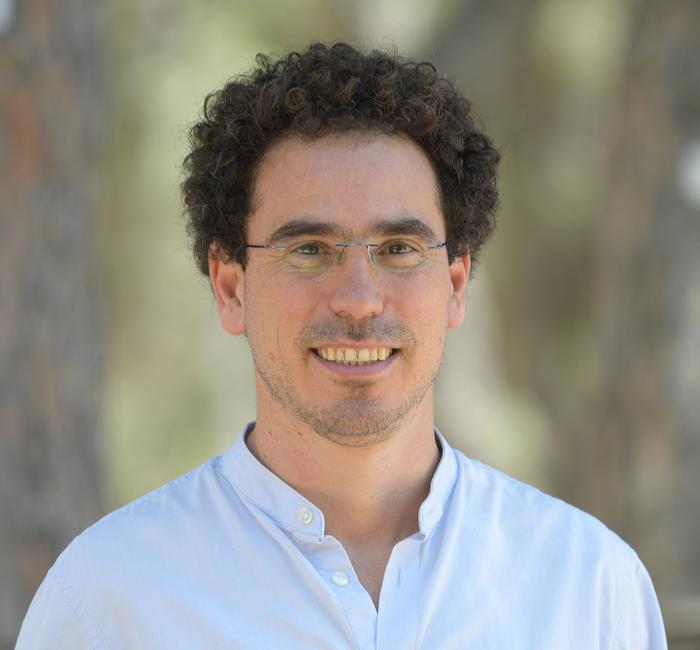
Ori
Katz
Sabbatical Scholar
Cornell University
RESEARCH PROPOSAL: Developing spatially-multiplexed optical spectroscopy for addressing multiple trapped-ions
DEPARTMENT:
Applied Engineering and Science
ADVISOR:
Or Katz
AFFILLIATED ISRAELI INSTITUTION:
Hebrew University
Read More
Ori Katz, PhD, is a professor at the Institute of Applied Physics at the Hebrew University of Jerusalem.
At Cornell he works with Professor Or Katz in the School of Applied and Engineering Physics as part of a team developing an advanced optical addressing system for studying trapped ions. Applying his expertise in light control and optical imaging, he is helping transition early-stage prototypes into a fully operational experimental setup with unique capabilities.
Beyond his work in the Katz group, he is exploring new collaborations with Cornell's engineering and applied physics faculty across fields such as spatiotemporal light shaping, electron microscopy and quantum entanglement.
2026
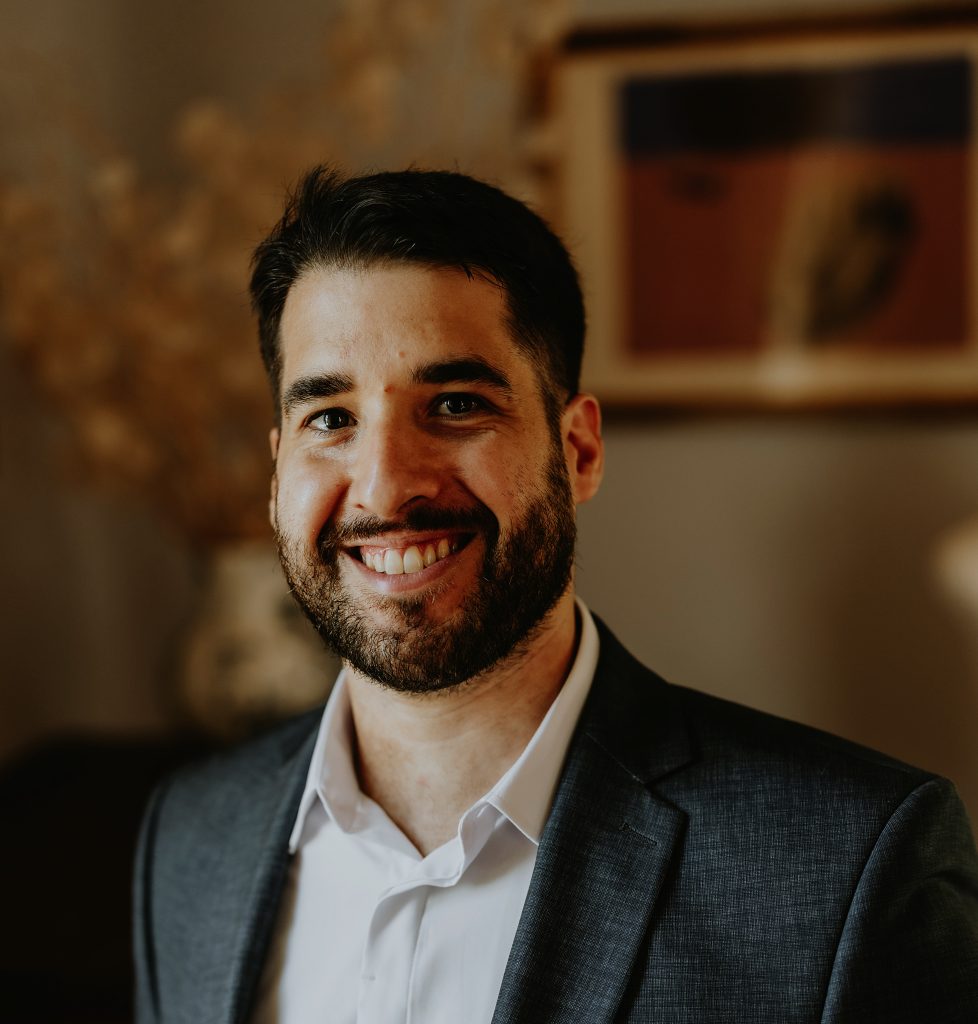
Shai
Levy
Postdoctoral Fellow
Massachussets Institute of Technology - MIT
RESEARCH PROPOSAL: Colloidal Quantum Dots as Single-Photon Sources for Functional Quantum Photonics
DEPARTMENT:
Chemistry
ADVISOR:
Moungi Bawendi
AFFILLIATED ISRAELI INSTITUTION:
Technion
Read More
Shai Levy received B.Sc. degrees in Materials Science and Engineering and in Chemistry, cum laude, from the Technion - Israel Institute of Technology, and continued to a direct-track PhD in Materials Science at the Technion, advised by Prof. Yehonadav Bekenstein, studying the optical and electronic properties of halide perovskite quantum dots and their collective behavior in ordered assemblies.
His doctoral work was recognized with excellence scholarships from the Russell Berrie Nanotechnology Institute, the Helen Diller Quantum Center and the Irwin and Joan Jacobs Graduate School, as well as the Rothschild Excellence Award and multiple outstanding teaching assistant awards.
2026
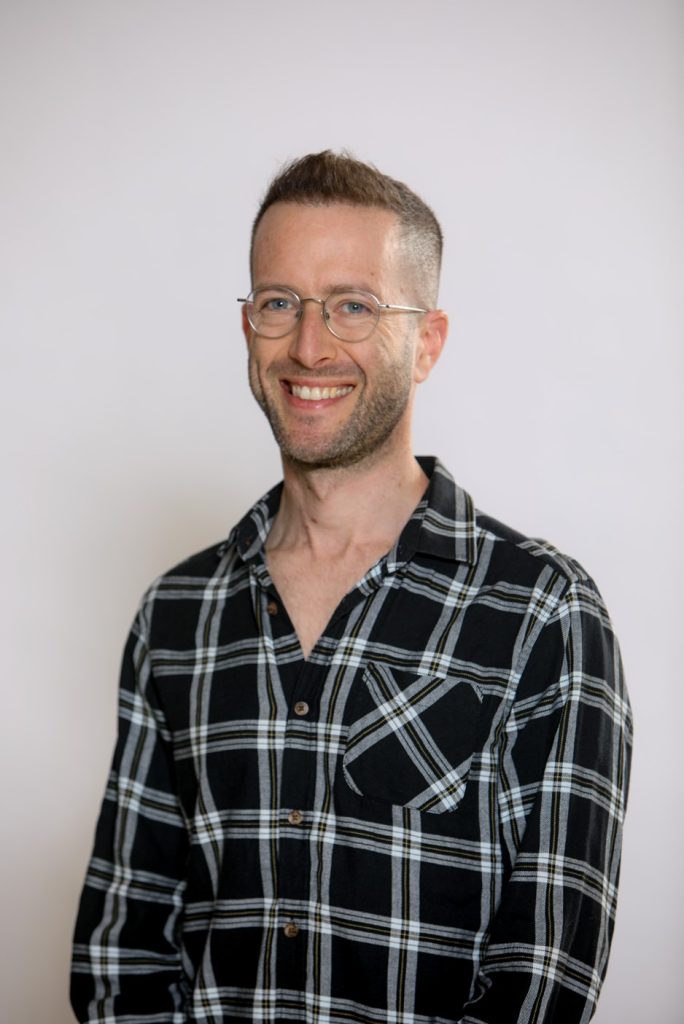
Gal
Maor
Postdoctoral Fellow
Massachussets Institute of Technology - MIT
RESEARCH PROPOSAL: Strengthening free-probability tools for graphs and random walks and extending free probability beyond graphs in TCS
DEPARTMENT:
Mathematics; Institute for Data, Systems, and Society (IDSS)
ADVISOR:
Elchanan Mossel
AFFILLIATED ISRAELI INSTITUTION:
Tel-Aviv University
Read More
Gal Maor received his PhD in Computer Science from Tel Aviv University, advised by Professor Gil Cohen. He previously earned an M.Sc. in Computer Science from the Technion, advised by Professor Eli Ben-Sasson, and a double B.Sc. in Computer Science and Physics, also from the Technion.
During his PhD he received several teaching and research awards, including the Sackler Award for Excellent PhD Student and the Rector's List Excellence in Teaching Award.
Before returning to academia he worked as a software engineer and technical lead at Facebook and as a technical lead and research scientist at Diagnostic Robotics.
2026
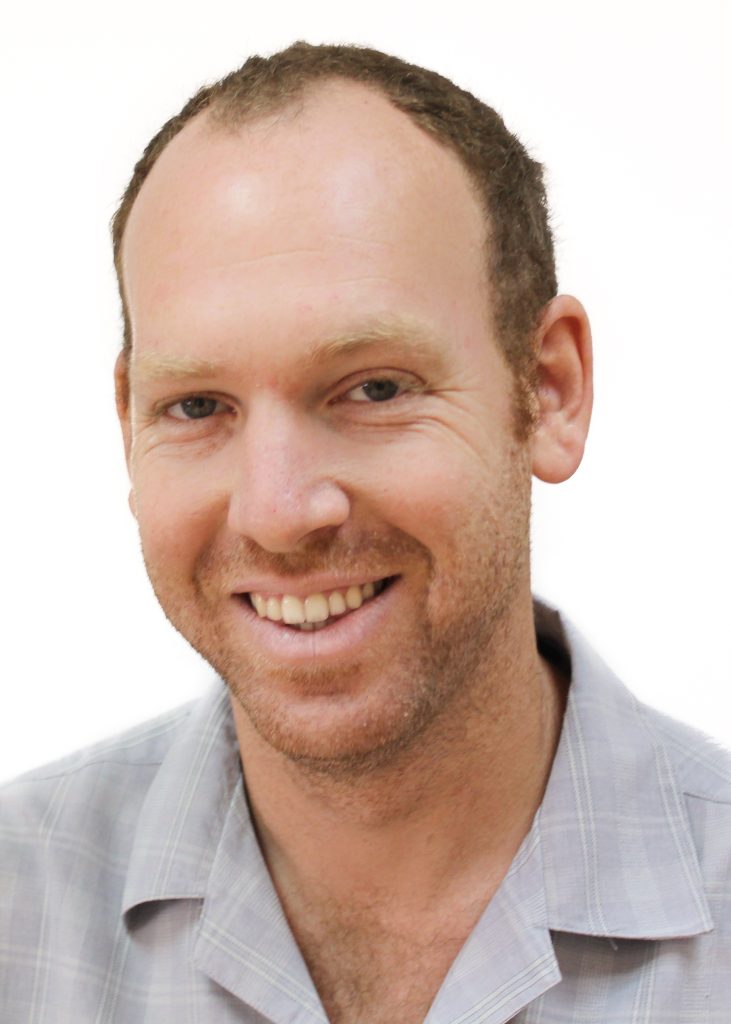
Oded
Marck
Postdoctoral Fellow
Massachussets Institute of Technology - MIT
RESEARCH PROPOSAL: The Histadrut, the Palestinians, and the Making of Israel's Industrial Relations, 1948-1959
DEPARTMENT:
History
ADVISOR:
Malick Gachem
AFFILLIATED ISRAELI INSTITUTION:
Ben-Gurion University
Read More
Oded Marck, PhD, holds a B.A. in Middle East History and Labor Studies from Tel Aviv University, and an M.A. and PhD in Middle East Studies from Ben-Gurion University.
His doctoral dissertation, "The Histadrut and the Palestinians in Israel, 1948-1953: Corporatism and Industrial Relations," examines the shaping of Zionist policies toward the Palestinian minority during Israel's formative years and the ways in which Palestinians reacted to, resisted and shaped those policies.
His research focuses on Israel's early years and on the place of Palestinian citizens within the state's emerging political and social order, with particular attention to labor and industrial relations. Centering on the processes that led the Histadrut to reverse its long-standing exclusion of Palestinian workers and permit their partial admission into its trade-union frameworks, and based on extensive Hebrew- and Arabic-language archival research, his work reinterprets Israel's early labor history as a field of negotiation and struggle in which Palestinian workers actively shaped policy and the emerging industrial relations system.
As an MIT-Kalaniyot Fellow and Postdoctoral Associate in MIT's History Section, he studies the history of the modern Middle East and Israel/Palestine, and has published related articles in leading journals in Middle East studies and labor history.
2026
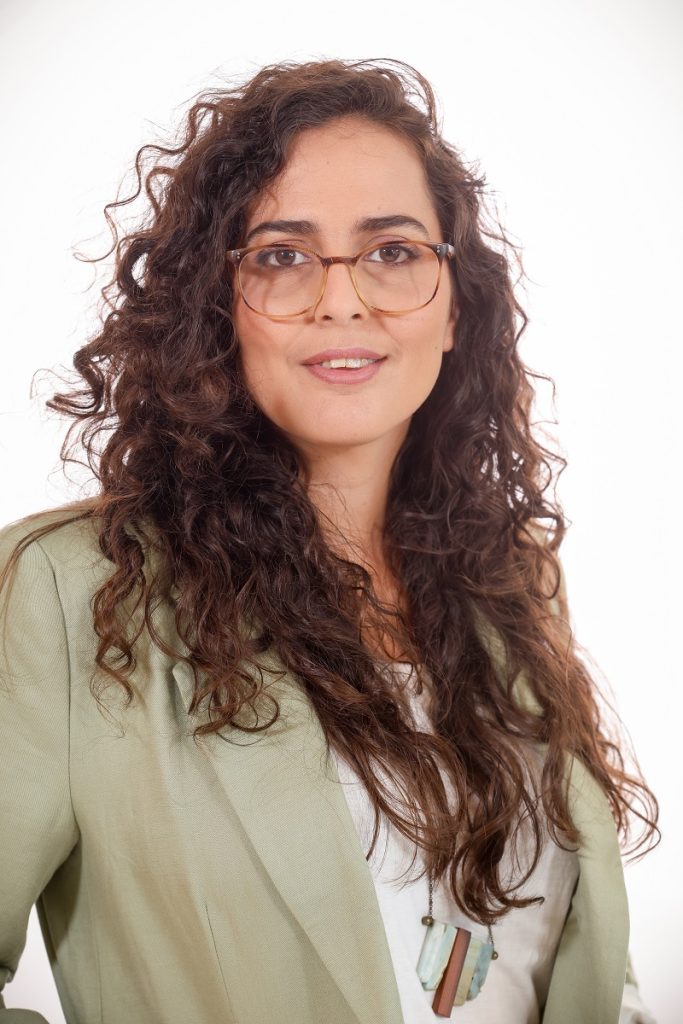
Odelia
Melamed
Postdoctoral Fellow
Massachussets Institute of Technology - MIT
RESEARCH PROPOSAL: A Geometric and Cryptographic Approach to Trustworthy AI
DEPARTMENT:
Electrical Engineering and Computer Science; Computer Science and Artificial Intelligence Laboratory (CSAIL)
ADVISOR:
Vinod Vaikuntanathan
AFFILLIATED ISRAELI INSTITUTION:
Weizmann Institute of Science
Read More
Odelia Melamed earned her B.Sc. in Mathematics and Computer Science from Ben-Gurion University of the Negev and her M.Sc. and PhD from the Weizmann Institute of Science under the supervision of Prof. Adi Shamir, with doctoral research on the theoretical foundations of machine learning security and trustworthy AI.
Her doctoral work developed a geometric perspective on learning, showing how the interaction between data geometry, optimization dynamics and learned decision boundaries gives rise to phenomena such as adversarial vulnerability, transferability, explainability and machine unlearning. She established theoretical foundations for the geometric origins of adversarial examples, developed efficient attack and defense mechanisms, introduced a provable framework for machine unlearning, and designed methods for improving the faithfulness of gradient-based explanations.
As a postdoctoral fellow at the MIT Computer Science & Artificial Intelligence Laboratory, working with Prof. Vinod Vaikuntanathan, she is extending this program toward a unified theory of learning and security, investigating how geometric structures induced during training govern broader trustworthy AI requirements including concept unlearning, model watermarking, privacy-preserving verification and certifiable guarantees of model behavior. In parallel she is committed to advancing the participation of women in STEM and expanding access to higher education for students from underrepresented and first-generation backgrounds.
2026
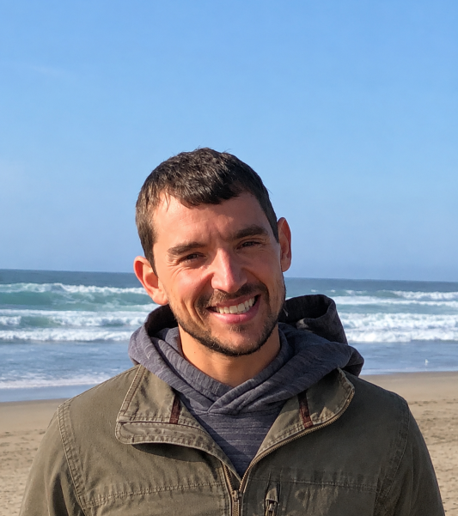
Jonathan
Morag
Postdoctoral Fellow
Massachussets Institute of Technology - MIT
RESEARCH PROPOSAL: Formalized Proof of Device-Independent Quantum Cryptography
DEPARTMENT:
Electrical Engineering and Computer Science; Research Laboratory of Electronics
ADVISOR:
Dirk Englund
AFFILLIATED ISRAELI INSTITUTION:
Ben-Gurion University
Read More
Jonathan Morag, PhD, earned his B.Sc. in physics from UC Davis and an M.Sc. in physics from the Technion, both summa cum laude. At the Technion, he studied ion adsorption at silica surfaces in solution using atomic force microscopy with Prof. Uri Sivan.
He completed his PhD in theoretical astrophysics at the Weizmann Institute with Prof. Eli Waxman, modeling the light emitted by exploding stars using numerical simulations; his models were later confirmed systematically against telescope observations and used to help elucidate the state of stars immediately prior to explosion.
As a postdoctoral fellow at MIT's Research Laboratory of Electronics, Dr. Morag works at the interface of quantum computation, information theory and photonics. His main interests are quantum algorithms, thermodynamic limits of computation, the security of quantum communication protocols, and photonic computing on edge devices. Across these subjects, he pairs machine-checked formalization of mathematical proofs with photonic experiments.
2026
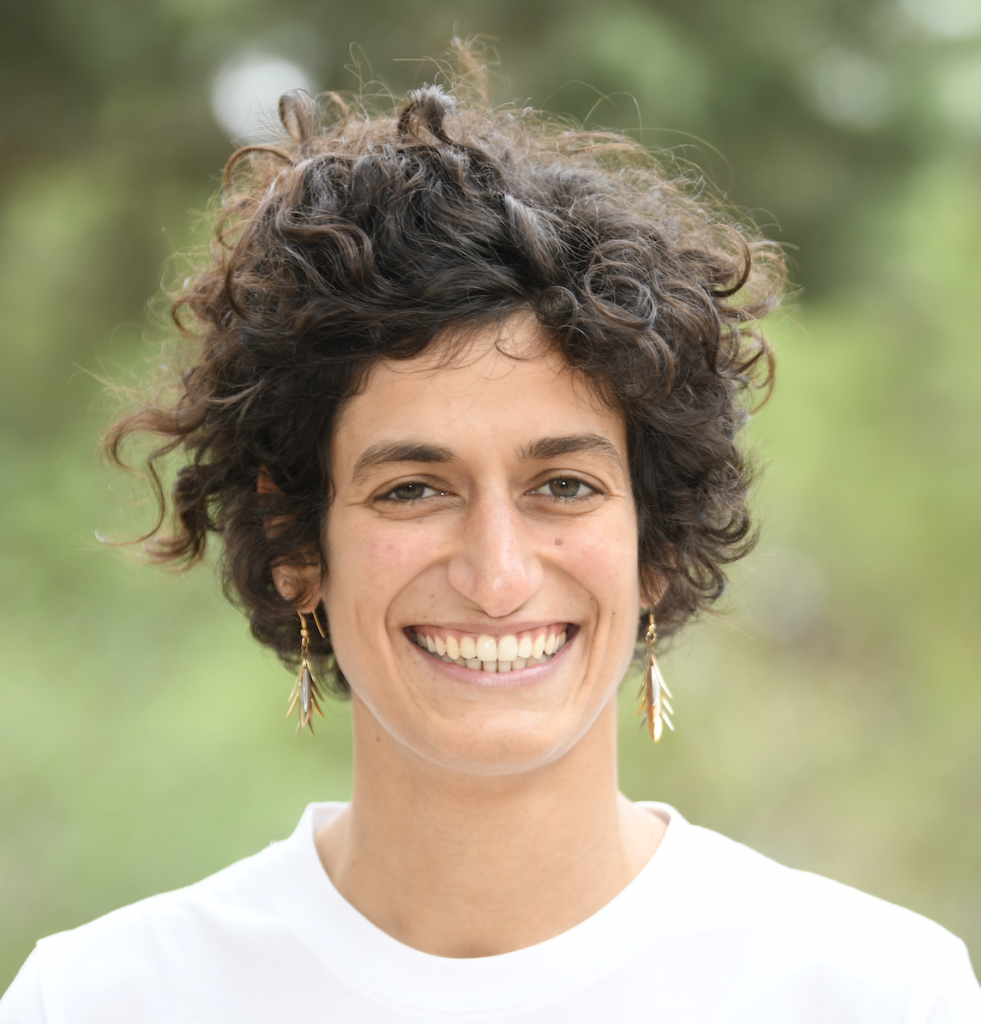
Efrat
Naaman
Postdoctoral Fellow
Harvard University
RESEARCH PROPOSAL: Preclinical optimization of AAV-NRF2 Gene Therapy for Dry Age-Related Macular Degeneration
DEPARTMENT:
Harvard Medical School Genetics
ADVISOR:
Connie Cepko
AFFILLIATED ISRAELI INSTITUTION:
Rambam Health Care Campus
Read More
Efrat Naaman, MD, completed her medical degree at the Hebrew University of Jerusalem and a five-year ophthalmology residency at Rambam Healthcare Campus in Haifa. Alongside her clinical training, she built a substantial research career investigating the role of protein aggregation in retinal degeneration.
Her work received Rambam's Atidim Prize, awarded to the highest-ranked residents to support their projects, as well as the Rothschild Fellowship supporting her proposed AAV-based gene therapy for age-related macular degeneration.
She is currently a postdoctoral fellow in Prof. Connie Cepko's laboratory at Harvard Medical School, where she contributes to the development of AAV-mediated gene therapies targeting shared pathways of retinal cell stress and degeneration. Her current work focuses on optimizing AAV delivery of NRF2, a key regulator of antioxidant responses, as a potential therapeutic approach for dry age-related macular degeneration, with the goal of protecting retinal cells and preserving vision. Prof. Cepko describes her expansion into molecular genetics as remarkable in both its speed and depth.
Alongside her medical and research training she has volunteered with organizations that promote human rights and support people from diverse backgrounds through major life transitions. Outside the lab, Efrat, her partner and their young son have spent the past year making Boston their home — exploring New England, hiking, bouldering and building connections in their local community.
2026
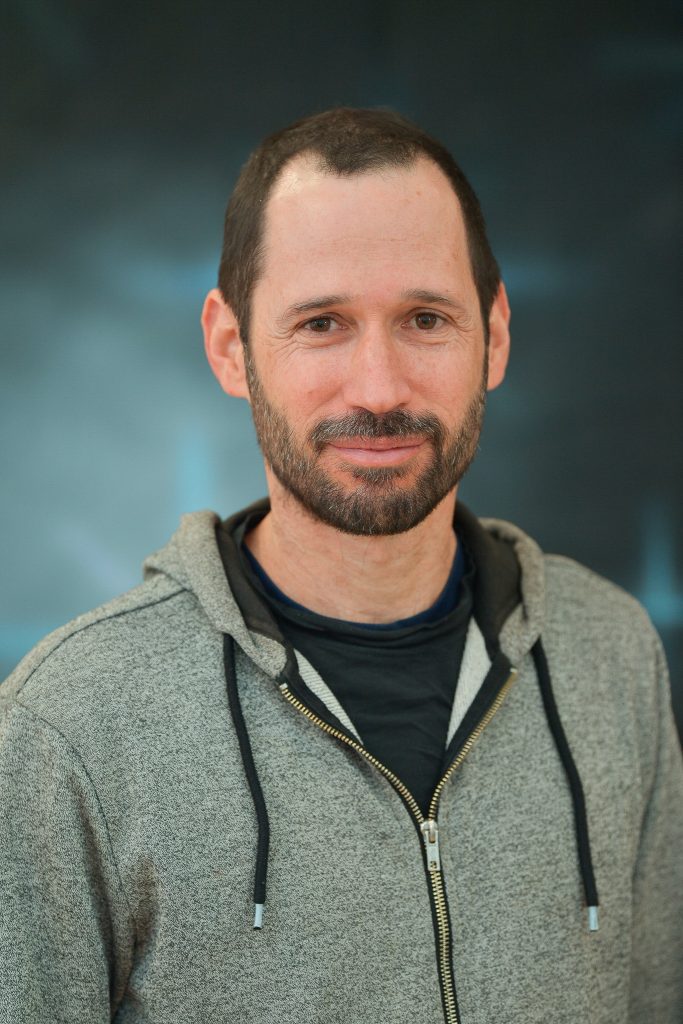
Eran
Nevo
Sabbatical Scholar
Massachussets Institute of Technology - MIT
RESEARCH PROPOSAL: Algebraic and geometric combinatorics
DEPARTMENT:
Mathematics
ADVISOR:
Alexander Postnikov
AFFILLIATED ISRAELI INSTITUTION:
Hebrew University
Read More
Eran Nevo, PhD, is a Professor of Mathematics at the Hebrew University of Jerusalem. He holds a B.Sc. from the Technion and an M.Sc. and PhD from the Hebrew University, all in mathematics; his thesis, "Algebraic Shifting and f-Vector Theory," was completed under the supervision of Gil Kalai.
After his PhD. he was an H.C. Wang Assistant Professor at Cornell University for three years, then joined Ben-Gurion University as a senior lecturer before moving to the Hebrew University, where he became a full professor.
He was most recently a research fellow at Harvard's Center of Mathematical Sciences and Applications, and his honors include the 2014 Erdős Prize in Mathematics.
2026
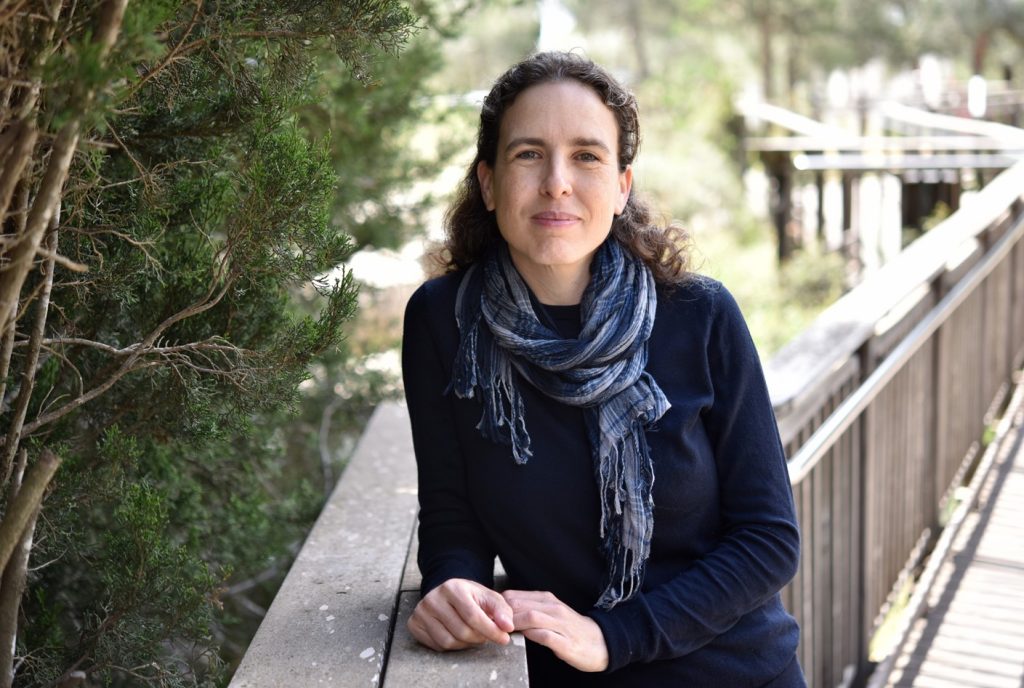
Mor
Nitzan
Sabbatical Scholar
Massachussets Institute of Technology - MIT
RESEARCH PROPOSAL: Designing Multicellular Self-Organization Driven by Engineered Collective Computation
DEPARTMENT:
Biological Engineering
ADVISOR:
Ron Weiss
AFFILLIATED ISRAELI INSTITUTION:
Hebrew University
Read More
Mor Nitzan, PhD, is an Associate Professor at the Hebrew University of Jerusalem, with joint affiliations at the School of Computer Science and Engineering, the Racah Institute of Physics and the Faculty of Medicine. She was previously a John Harvard Distinguished Science Fellow and James S. McDonnell Fellow at Harvard University, and obtained a B.Sc. in Physics and a PhD in Physics and Computational Biology at the Hebrew University as an Azrieli Sciences Fellow. Her honors include the EMBO Young Investigator Award, the Krill Award, the Azrieli Early Career Faculty Fellowship, the Alon Fellowship, the Google Research Scholar Award, the Samson Researcher Recruitment Award and an ERC Starting Grant.
Her research is at the interface of computer science, physics and biology, focusing on the representation, inference and design of multicellular systems. Her group develops mathematical models and computational frameworks that integrate machine learning, information theory and dynamical systems approaches to understand how cells encode multiple layers of spatial and temporal information, and how to efficiently decode that information from single-cell and spatial omics data.
The Nitzan Group aims to uncover the organizational principles underlying information processing, computation, division of labor and self-organization of multicellular structures such as tissues, and how cell-to-cell interactions can be manipulated to optimize tissue structure and function.
2026
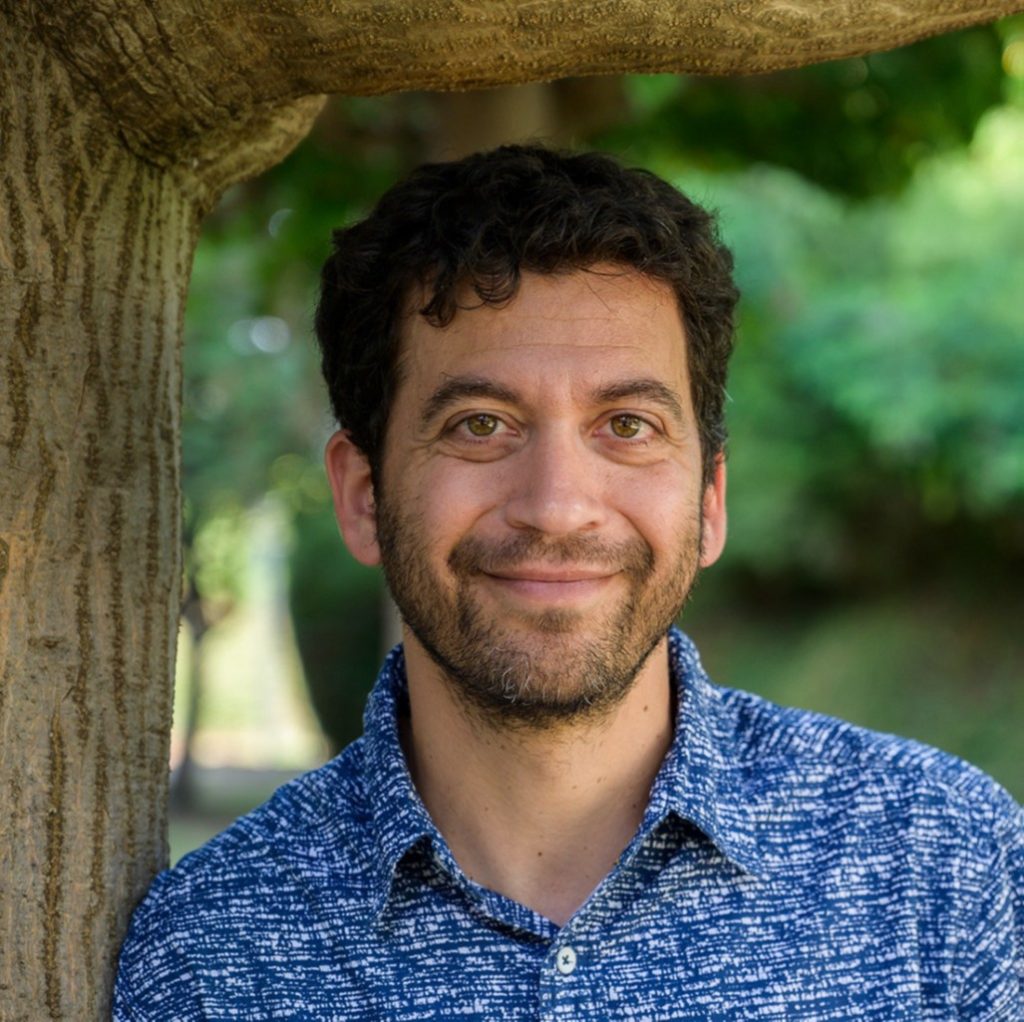
Shai
Pilosof
Visiting Scholar
Dartmouth College
RESEARCH PROPOSAL: Developing new predictive frameworks for ecological interaction networks such as host–parasite and plant–pollinator systems.
DEPARTMENT:
Mathematics
ADVISOR:
Peter Mucha
AFFILLIATED ISRAELI INSTITUTION:
Ben-Gurion University
Read More
Shai Pilosof, PhD, is a professor in the Department of Life Sciences at Ben-Gurion University of the Negev.
As a Visiting Scholar at the Dartmouth Kalaniyot Chapter, based in the Department of Mathematics, he is collaborating with Professor Peter Mucha on developing new predictive frameworks for ecological interaction networks such as host–parasite and plant–pollinator systems. Their work explores how diverse sources of ecological information — species traits, evolutionary history, environmental context and network structure — can be integrated using advanced statistical and network-based approaches, with a major focus on multi-modal predictive models capable of improving ecological prediction across systems.
The visit builds on a recently submitted U.S.–Israel BSF proposal and contributes to broader efforts at the intersection of ecology, network science and applied mathematics. Alongside his research collaboration he is participating in departmental activities and engaging with the wider Dartmouth community throughout his stay.
2026
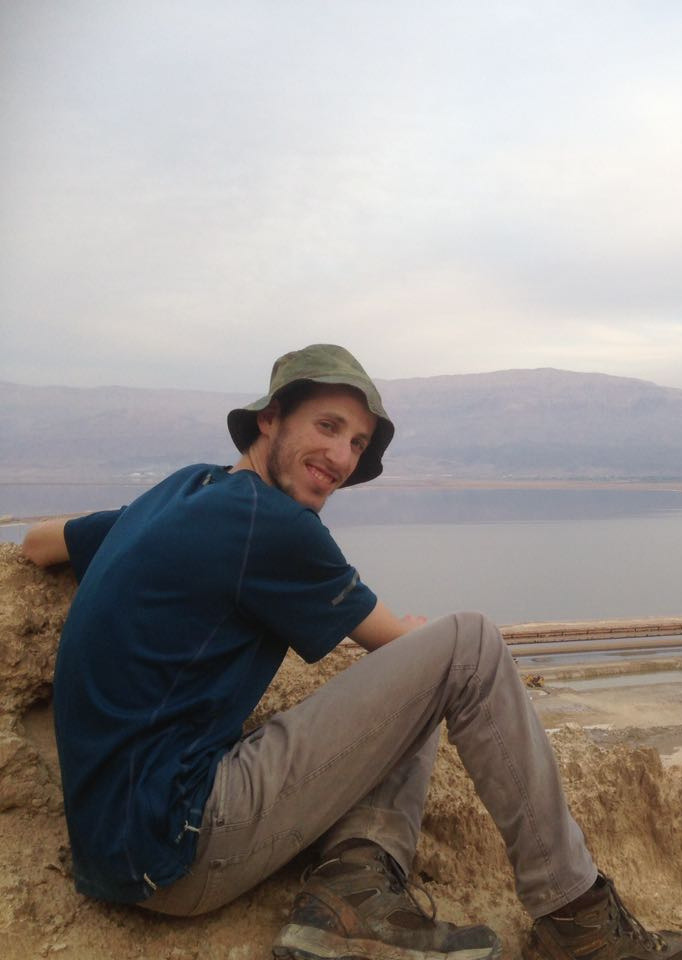
Ohad
Shalom (Sternberg)
Postdoctoral Fellow
Cornell University
RESEARCH PROPOSAL: Episodic Hydrological Connectivity and Methane Dynamics in Pond-Wetland Systems: From Mechanistic Processes to Predictive Mapping
DEPARTMENT:
Department of Ecology and Evolutionary Biology
ADVISOR:
Meredith Holgerson
AFFILLIATED ISRAELI INSTITUTION:
Hebrew University
Read More
Ohad Shalom (Sternberg) earned his PhD in Hydrogeology from the Hebrew University of Jerusalem.
As a Kalaniyot Postdoctoral Fellow at Cornell, he works with Prof. Meredith Holgerson in Ecology and Evolutionary Biology, studying hydrological connectivity and methane dynamics in pond-wetland systems.
He is excited to join the Cornell community, collaborate with colleagues and engage in new conversations and perspectives. Originally from Israel, he enjoys hiking, playing the harmonica and reading, and looks forward to exploring Ithaca.
2026
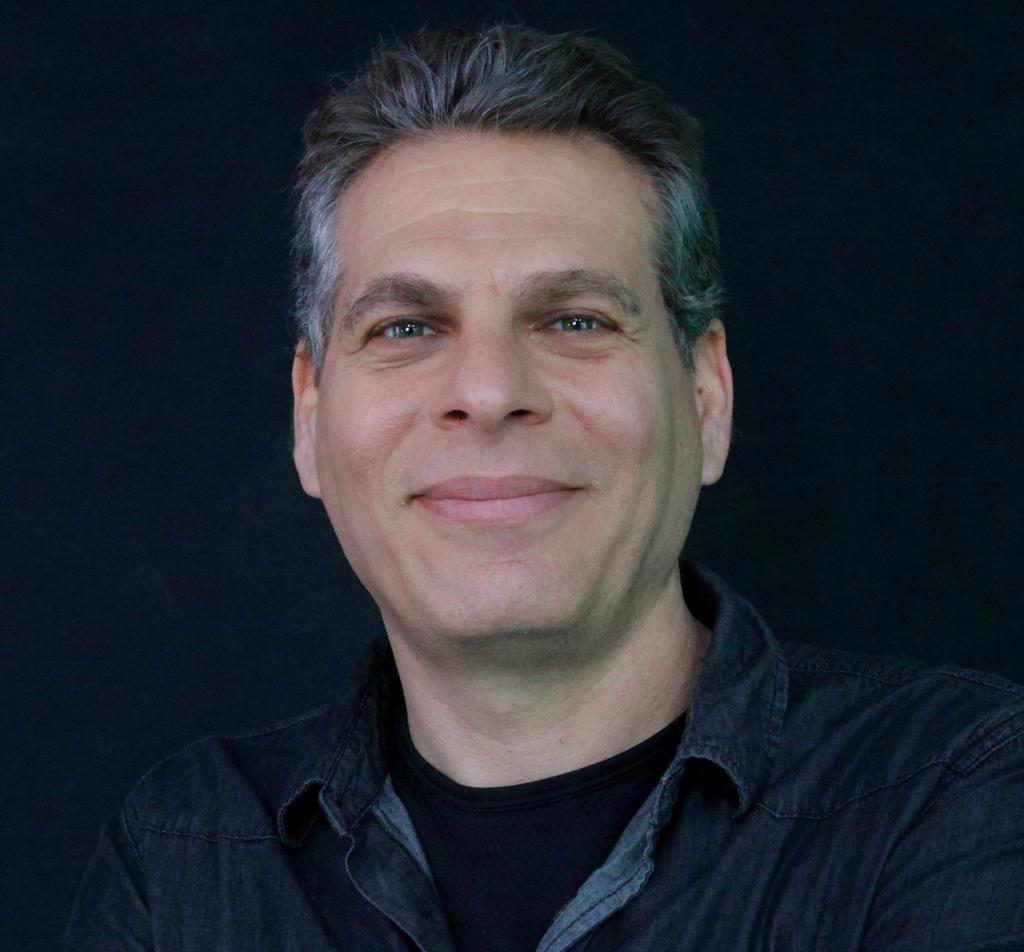
Alon
Shepon
Visiting Scholar
Dartmouth College
RESEARCH PROPOSAL: Developing new collaborative research initiatives that connect expertise across disciplines and explore innovative approaches to sustainable agriculture and food-system transformation
DEPARTMENT:
Mathematics and Computer Science
ADVISOR:
Dan Rockmore
AFFILLIATED ISRAELI INSTITUTION:
Tel-Aviv University
Read More
Alon Shepon, PhD, is a professor at the Steinhardt Museum of Natural History and the Department of Public Policy at Tel Aviv University.
His research focuses on sustainable food systems, agriculture, nutrition and environmental policy, examining the complex relationships between food production, human nutrition, environmental impacts and public policy with the goal of identifying pathways toward more sustainable and equitable food systems. By integrating environmental science, public policy and quantitative modeling, his work addresses pressing challenges at the intersection of food security, climate change and agricultural sustainability.
As a Visiting Scholar at the Dartmouth Kalaniyot Chapter, a central objective of his visit is to develop new collaborative research initiatives that connect expertise across disciplines and explore innovative approaches to sustainable agriculture and food-system transformation, building long-term partnerships between researchers at Dartmouth and institutions in Israel. Throughout his stay he is interacting with faculty and students through campus activities and informal discussions.
2026
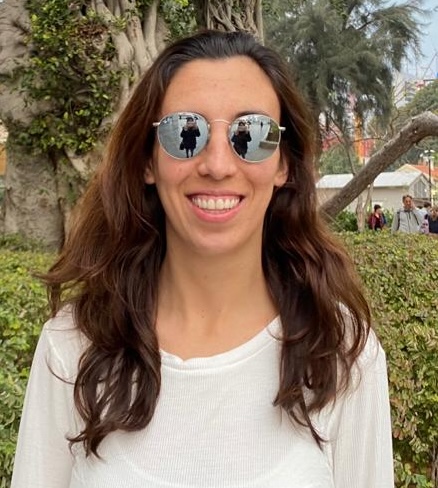
Saar
Shoer
Postdoctoral Fellow
Columbia University
RESEARCH PROPOSAL: Nutritional influence on the human antimicrobial resistome
DEPARTMENT:
Systems Biology; Naomi Berrie Diabetes Center
ADVISOR:
Tal Korem; Mohammed AlQuraishi
AFFILLIATED ISRAELI INSTITUTION:
Weizman Institute of Science
Read More
Saar Shoer earned her PhD in Computer Science from the Weizmann Institute of Science under the joint supervision of Prof. Eran Segal and Prof. Yitzhak Pilpel.
In her doctoral research she applied data science and machine learning to study the genetic diversity of the human microbiota and its health implications, discovering 310 novel bacterial species and demonstrating that the level of genetic variability within species is linked to bacterial stress-response mechanisms.
Her research has been published in Cell Med, Cell Host & Microbe, Nature Communications and Nature Medicine, and presented at several international conferences.
2026
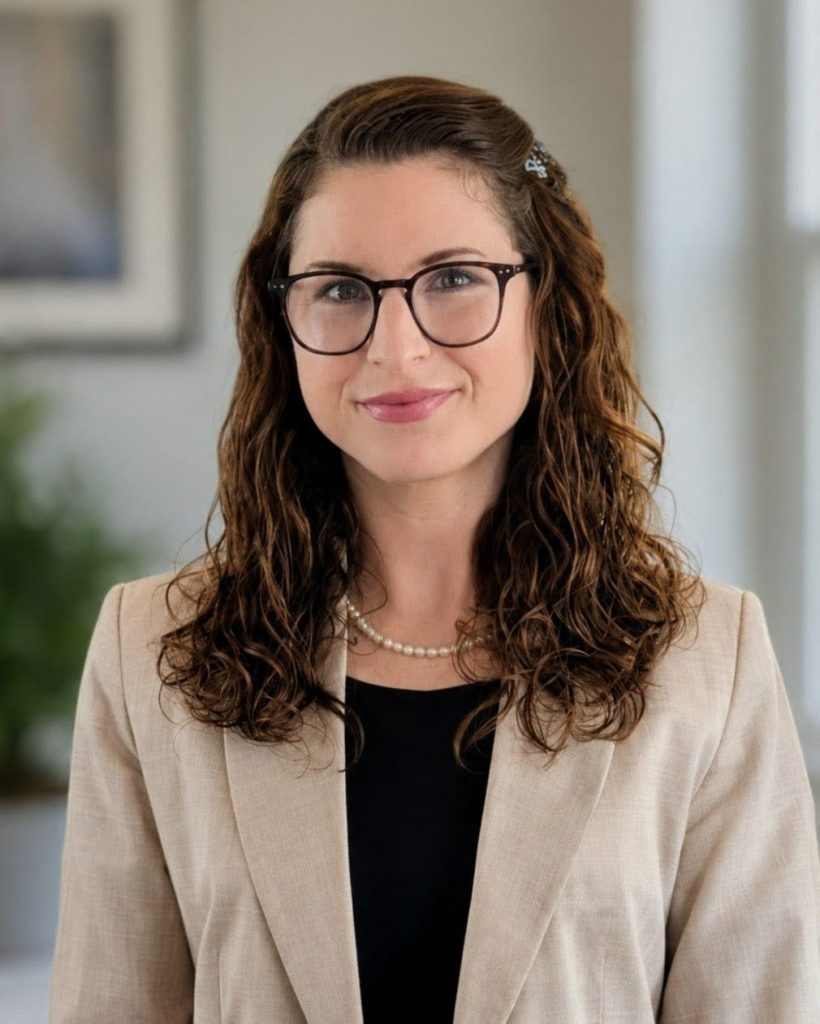
Hagit
Shoyhet-Smoilovsky
Postdoctoral Fellow
Columbia University
RESEARCH PROPOSAL: Engineering Immune-Competent Organoid Microenvironments to Decipher Multicellular Interactions in Cancer Progression
DEPARTMENT:
Irving Comprehensive Cancer Center (HICCC)
ADVISOR:
Anil K. Rustgi
AFFILLIATED ISRAELI INSTITUTION:
Technion
Read More
Hagit Shoyhet-Smoilovsky, PhD, is a biomedical engineering graduate specializing in tissue engineering, 3D disease modeling and extracellular vesicle-based therapeutic strategies.
Dr. Shoyhet-Smoilovsky completed her PhD in Biomedical Engineering at the Technion – Israel Institute of Technology in Prof. Shulamit Levenberg's laboratory, where her research focused on engineering functional human tissues to study and treat complex diseases. Her work included the development of engineered skeletal muscle platforms for type 2 diabetes therapy and 3D vascularized tumor models for studying cancer–microenvironment interactions.
As a Kalaniyot Fellow at Columbia University, she pursues postdoctoral research aimed at advancing patient-specific engineered tissue models and regenerative medicine approaches.
2026
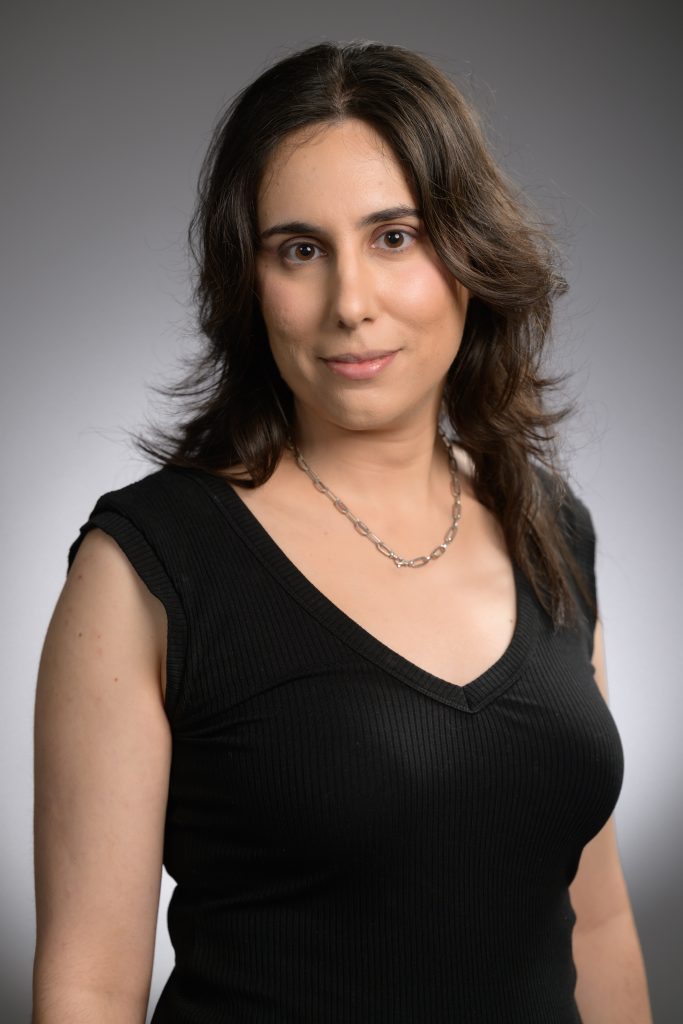
Tamar
Simhon-Kravtzov
Postdoctoral Fellow
Dartmouth College
RESEARCH PROPOSAL: Probing Black Hole Structure with LISA
DEPARTMENT:
Physics and Astronomy
ADVISOR:
Robert Caldwell
AFFILLIATED ISRAELI INSTITUTION:
Ben-Gurion University
Read More
Tamar Simhon Kravtzov earned her PhD in Physics with a dissertation centered on the "frozen star" model, a singularity-free alternative to traditional black holes.
Her current research seeks to test that model using gravitational waves, investigating whether gravitational-wave "echoes" could provide a distinctive observational signature separating frozen stars from standard black holes. The project also simulates extreme collisions between frozen stars to better understand how exotic internal matter behaves under immense pressure and radiates energy.
As a Kalaniyot Postdoctoral Fellow at Dartmouth College, she collaborates with Dr. Robert Caldwell in Physics and Astronomy, working to translate theoretical predictions into observational targets that may guide future discoveries with the upcoming LISA space telescope mission.
2026
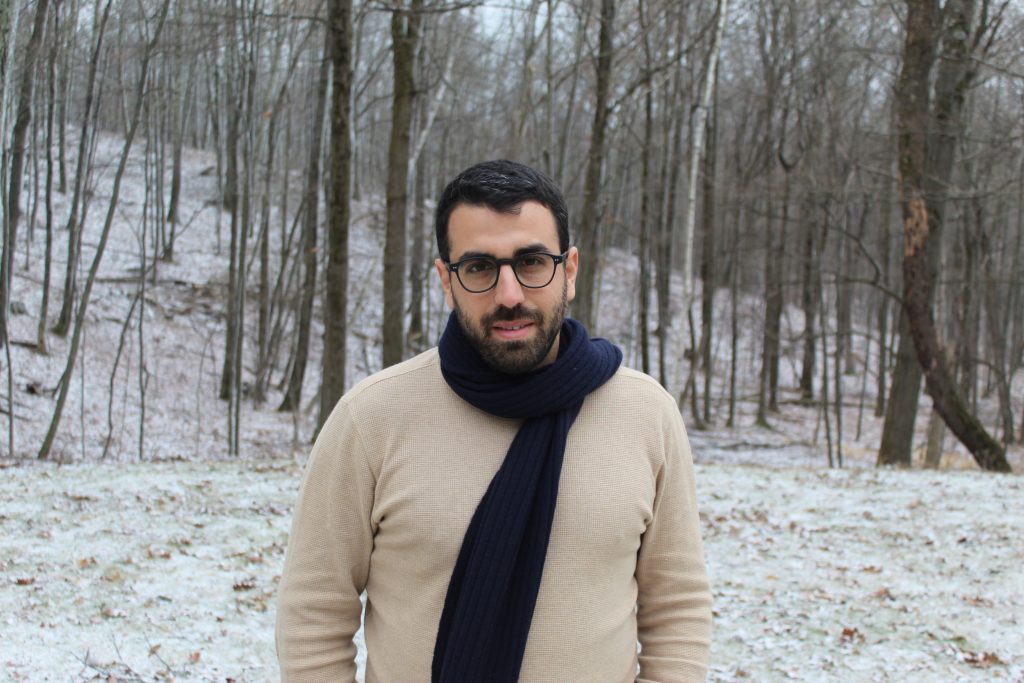
Lidor
Spivak
Postdoctoral Fellow
Columbia University
RESEARCH PROPOSAL: Building Internal Models: How Cerebellar Circuits Learn and Adapt in Natural Behavior
DEPARTMENT:
Neuroscience; Zuckerman Mind Brain Behavior Institute
ADVISOR:
Nathaniel Sawtell
AFFILLIATED ISRAELI INSTITUTION:
Tel-Aviv University
Read More
Lidor Spivak earned his PhD from Tel Aviv University's Sagol School of Neuroscience.
As a neuroscience postdoctoral researcher at the Zuckerman Institute at Columbia University, he focuses on how the cerebellum supports learning, timing and prediction.
To understand how cerebellar circuits implement these functions, he combines optogenetics and high-density electrophysiology in freely moving mice with computational analysis.
2026
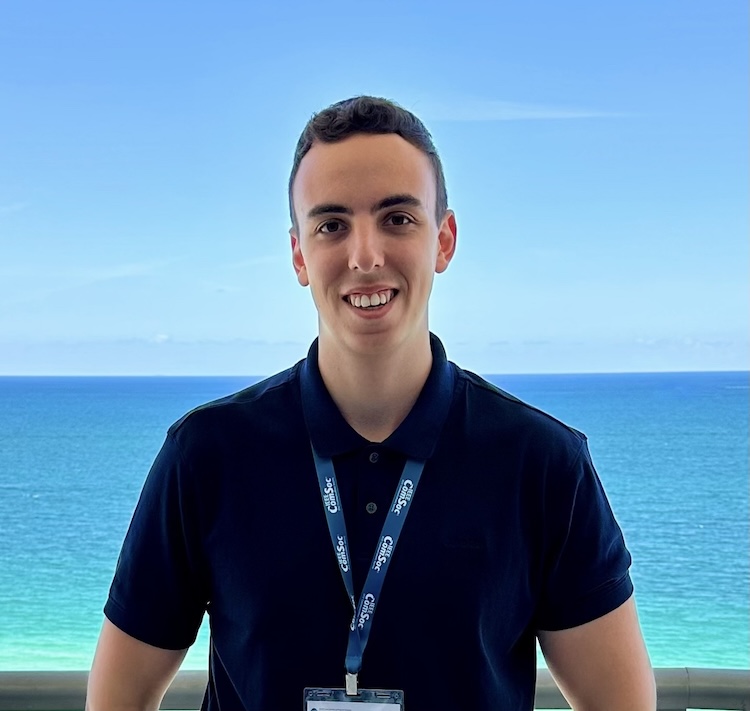
Jhonatan
Tavori
Postdoctoral Fellow
Columbia University
RESEARCH PROPOSAL: Towards the Quantum Internet: Ensuring the Resiliency of a Large-Scale Emerging Quantum Network
DEPARTMENT:
Electrical Engineering
ADVISOR:
Gil Zussman
AFFILLIATED ISRAELI INSTITUTION:
Tel-Aviv University
Read More
Jhonatan Tavori, PhD, earned his B.Sc. in Computer Science (summa cum laude) from The Open University in 2017, his M.Sc. in Computer Science (magna cum laude) from Tel Aviv University in 2020, and his PhD in Computer Science from Tel Aviv University in 2025, advised by Prof. Hanoch Levy. He was selected as valedictorian at both his B.Sc. and M.Sc. graduation ceremonies.
His research lies at the intersection of stochastic network analysis and security, with applications in edge-cloud systems, quantum networks and AI pipelines.
As a Kalaniyot Postdoctoral Fellow, he works at the Wireless and Mobile Networking Lab at Columbia University with Prof. Gil Zussman.
His awards and fellowships include the Fulbright Postdoctoral Fellowship, the Zuckerman STEM Leadership postdoctoral fellowship, the Blavatnik Prize for Outstanding Doctoral Fellows in Computer Science and the EU Horizon Next Generation Internet Transatlantic Fellowship.
2026
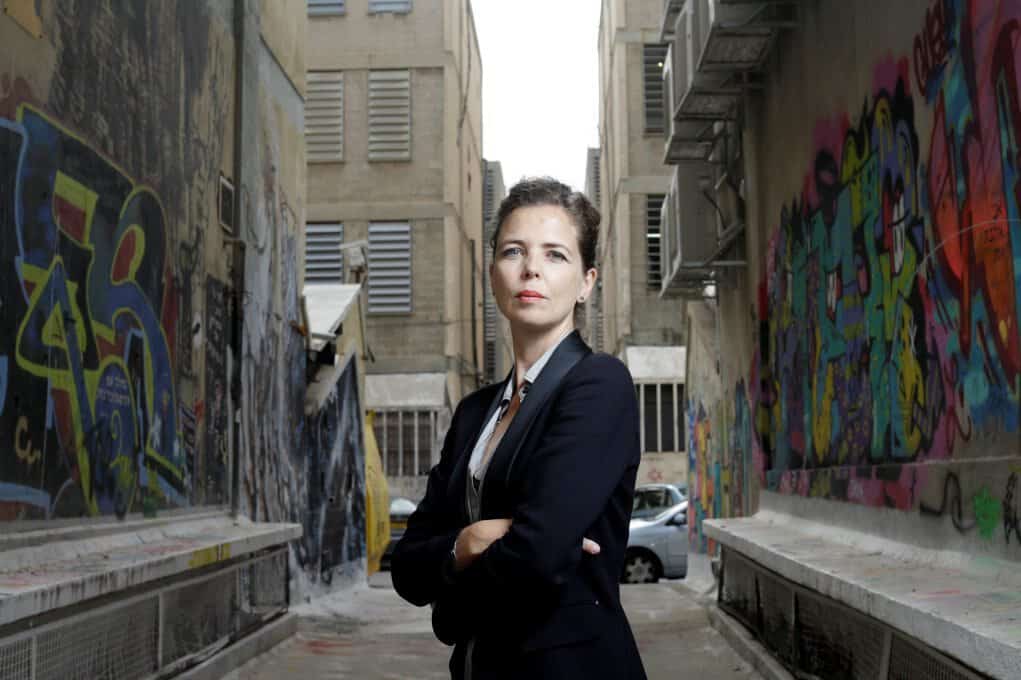
Els
Verbakel
Sabbatical Scholar
Massachussets Institute of Technology - MIT
RESEARCH PROPOSAL: How contemporary cities shaped by borders, conflict, and transnational conditions operate as complex urban systems
DEPARTMENT:
Architecture
ADVISOR:
Rafael Segal
AFFILLIATED ISRAELI INSTITUTION:
Bezalel Academy of Arts and Design
Read More
Els Verbakel, PhD, is a Belgian-born architect, urban designer, educator and researcher based in Israel. She is Head of the School of Architecture at Bezalel Academy of Arts and Design, Jerusalem, holds the UNESCO Chair in Urban Design and Conservation Studies Jerusalem, and is co-founder of Derman Verbakel Architecture with Elie Derman. She holds a professional degree in Civil Engineering - Architecture from KU Leuven, a Master of Science in Architecture and Urban Design from Columbia University, and a PhD in Architecture from Princeton University.
Her research examines the spatial, political and civic dimensions of architecture and urbanism in contexts of conflict, emergency and territorial division.
Her work focuses on how cities absorb conditions of instability and how architecture can move beyond technical problem-solving to become a medium for public life, collective resilience and critical imagination. She is interested in border cities, divided cities and urban archipelagos - including Jerusalem and Nicosia - where mobility, identity, governance and everyday life are shaped by spatial fragmentation, combining architectural history, urban analysis, design research, mapping and public-oriented discourse.
Her writings include "The Elastic City" in Harvard Design Magazine, "Enclave Urbanism: Jerusalem as an Urban Archipelago," and "Cities Across Nations" in Projections, published by MIT Press. At Bezalel she has led academic initiatives addressing research-based design, interdisciplinary education, diversity and the civic role of architecture, and has advanced public conversations on architecture's responsibility in moments of crisis through her recent work on shelter culture, emergency infrastructure and the future of collective protection.
2026
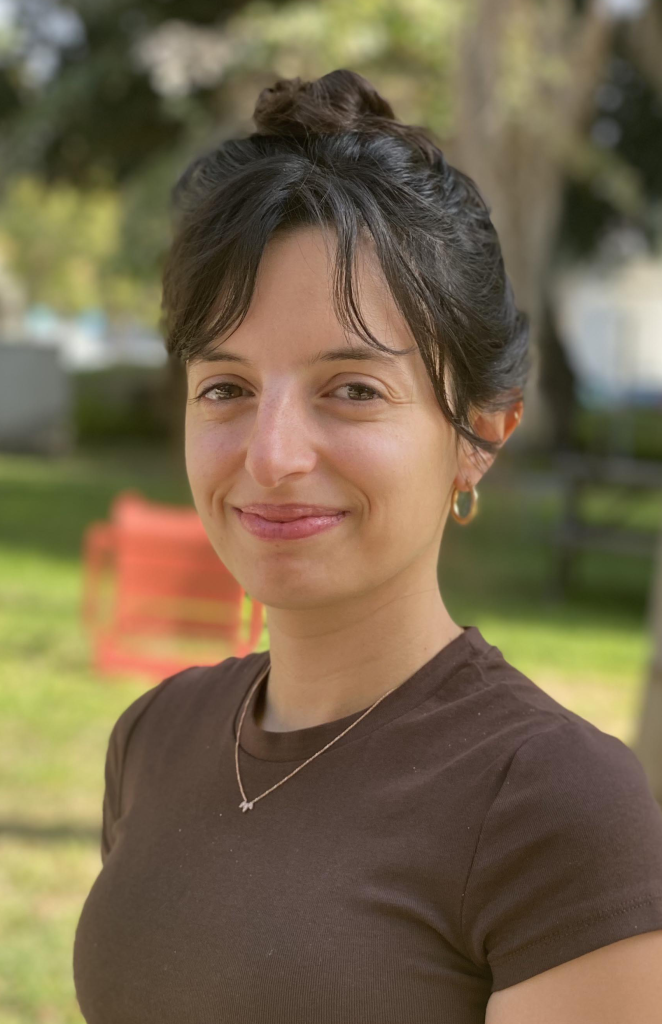
Ron Carmel
Vinestock
Postdoctoral Fellow
Harvard University
RESEARCH PROPOSAL: Defining the role of macrophage-derived oncostatin M in lung repair and fibrosis
DEPARTMENT:
Harvard Medical School Stem Cell and Regenerative Biology
ADVISOR:
Ruth Franklin
AFFILLIATED ISRAELI INSTITUTION:
Weizmann Institute of Science
Read More
Ron Carmel Vinestock, PhD, is a postdoctoral fellow at Harvard Medical School in the laboratory of Dr. Ruth Franklin.
Her postdoctoral research investigates how immune-derived signals regulate lung repair and fibrosis. Her work focuses on oncostatin M (OSM), a cytokine produced by macrophages that supports epithelial repair following acute lung injury but has also been associated with fibrotic remodeling. By examining OSM signaling across acute and chronic lung injury, she aims to understand how interactions between macrophages, epithelial cells, and fibroblasts shape the balance between regenerative repair and fibrosis.
She completed her PhD at the Weizmann Institute of Science in the laboratory of Prof. Elazar Zelzer, where she studied the postnatal development and healing of the enthesis, the specialized tissue that connects tendon to bone. Her doctoral research uncovered non-linear differentiation programs underlying the spatially precise mineralization of the enthesis and identified Runx1 as a regulator of fibrocartilage differentiation. Her earlier work on neonatal enthesis healing revealed a non-inflammatory repair process involving extracellular matrix secretion by resident cells and the formation of an acellular scar.
Dr. Vinestock’s graduate work sparked a broader interest in tissue-level biology and in uncovering the principles that govern how tissues develop, are maintained, and respond to injury. As a Dorot Fellow at Harvard Medical School, she is expanding this perspective into lung biology and immunology, exploring tissue repair through the interactions between immune, epithelial, and stromal cells.
2026
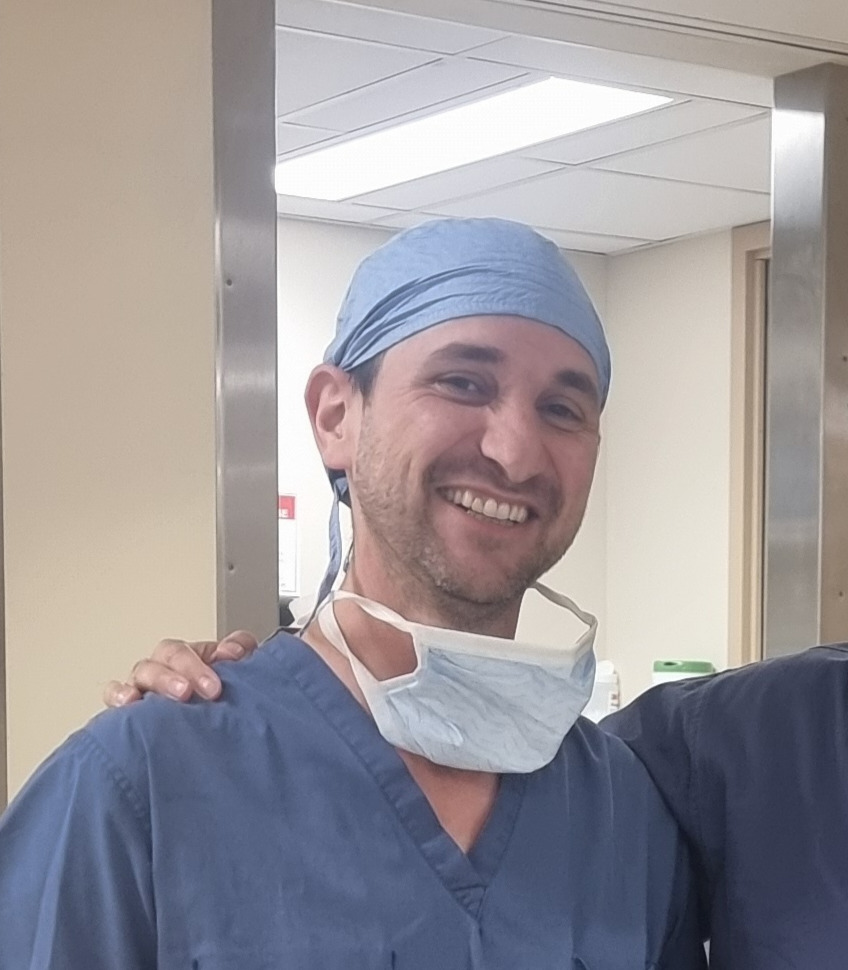
Shmuel
Wechsler
Medical Fellow
Harvard University
RESEARCH PROPOSAL: Observership in the Division of Neurotology at Mass Eye and Ear
DEPARTMENT:
Harvard Medical School; Neurotology, Mass Eye and Ear
ADVISOR:
Felipe Santos
AFFILLIATED ISRAELI INSTITUTION:
Shamir Medical Center (Assaf Harofeh)
Read More
Shmuel Wechsler, MD, completed his Medical Fellowship at Harvard Medical School and Mass Eye and Ear in 2026. He is the Chief ENT Resident at Shamir Medical Center (Assaf Harofeh).
Mentored by Dr. Felipe Santos, he completed a month-long clinical observership in the Division of Neurotology at Mass Eye and Ear. During his fellowship he was exposed to one of the most advanced neurotology environments in the world, learning from clinicians and researchers who are leaders in their field and observing how clinical excellence, surgical innovation, research and mentorship come together in daily practice.
Welcomed warmly as a physician from Israel, he found the faculty and staff generous with their time, patient in their teaching and sincerely committed to helping him expand his clinical and academic perspective. The experience exposed him to clinical and research approaches he would not have encountered otherwise, and he took part in an ongoing research project. Upon returning to Israel, he harnessed these lessons to contribute to the advancement of medicine and science at home.
Dr. Wechsler was a Kalaniyot visiting medical fellow at an HMS affiliated hospital.
2025
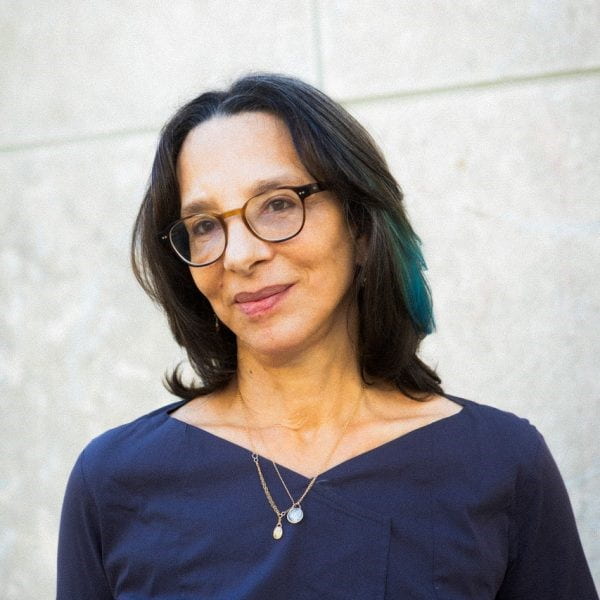
Tanir
Allweis
Visiting Fellow
Massachussets Institute of Technology - MIT
RESEARCH PROPOSAL: Exploring the clinical integration and implementation of Mirai, a deep learning model developed by the Barzilay lab, trained to determine breast cancer risk based on mammography images
DEPARTMENT:
Computer Science and Artificial Intelligence Laboratory (CSAIL)
ADVISOR:
Regina Barzilay
AFFILLIATED ISRAELI INSTITUTION:
Hebrew University Medical School; Hadassah University Hospital
Read More
Prof. Tanir Allweis, MD, is a breast surgeon, Chair of the Department of Breast Surgery and Director of the Multidisciplinary Breast Health Center at Hadassah University Hospital in Jerusalem, Israel. She also serves as Professor of Surgery at the Hebrew University Medical School and is the current Chair of the Society of Breast Surgery within the Israel Surgical Association.
A graduate of the Hebrew University School of Medicine, Prof. Allweis completed her general surgery residency at Hadassah University Hospital, Mt. Scopus, followed by a surgical oncology fellowship at the National Institutes of Health (NIH) in Bethesda, Maryland and a breast surgery fellowship at the Washington Hospital Center in Washington, DC. For the last 25 years she has practiced as a breast surgeon in Israel in academic and private hospital settings, has held public positions in the Israel Medical Association, and academic posts at the Faculty of Medicine in the Hebrew University.
Prof. Allweis has had a longstanding interest in personalized risk-adapted breast cancer screening, which led to her current choice of a sabbatical with Prof. Regina Barzilay’s lab at MIT. Her aim is to explore the clinical integration and implementation of Mirai, a deep learning model developed by Prof. Barzilay and her team, trained to determine breast cancer risk based on mammography images. Although it has been widely validated, Mirai has yet to be implemented on a large scale in a population-based screening program. Integrating such a model into Israel’s national breast cancer screening program could help to focus screening efforts on high-risk women and improve resource allocation and health equity. Toward that end, she is collaborating with HMO leaders and research institutes in Israel and hopes to transform the landscape of breast cancer screening in Israel.
Selected Publications:
Allweis TM, Hermann N, Berenstein-Molho R, Guindy M. (2021) Personalized Screening for Breast Cancer: Rationale, Present Practices, and Future Directions. Ann Surg Oncol. 28(8):4306-4317
Hermann N, Mor P, Kaidar-Person O, Bernstein-Molho R, Brodsky M, Madorsky Feldman D, Flugelman AA, Aboody Nevo H, Meshoulam Avital D, Sklair-Levy M, Friedman E, Allweis TM (2023). Variations in Practice and Geographic Disparities Between Dedicated Multidisciplinary Clinics for BRCA1/BRCA2 Mutation Carriers in Israel. Isr Med Assoc J. 25(1):18-22.
Friedman-Eldar O, Zippel D, Guy-Chen H, Eitan Gur S, Ben-Baruch N, Sharon E, Allweis TM (2020). Advanced Breast Cancer at Diagnosis: Over One Third Adherent to Screening Recommendations. Womens Health Rep (New Rochelle). 31;1(1):301-307
Hadar T, Koretz M, Nawass M, Allweis TM (2021): Innovative standards in surgery of the breast after neoadjuvant systemic therapy. Breast Care (Basel).;16(6):590-597.
2025
Alaa
Arraf
Postdoctoral Fellow
Harvard University
RESEARCH PROPOSAL: The Role of Head Mesenchyme in Telencephalic Vesicle Morphogenesis
DEPARTMENT:
Harvard Medical School; Howard Hughes Medical Institute; Boston Children’s Hospital
ADVISOR:
Christopher A. Walsh
AFFILLIATED ISRAELI INSTITUTION:
Technion
Read More
Alaa Arraf, MD-PhD, is a Postdoctoral Fellow at Harvard Medical School.
He completed an MD/PhD at the Technion – Israel Institute of Technology, where his doctoral training in developmental biology and genetics focused on the cellular and molecular regulation of embryonic midline morphogenesis and body symmetry. His PhD work provided an integrated, mechanistic understanding of how embryonic form is generated and offered insight into the formation of the bilaterally symmetric vertebrate body plan; he and his collaborators established a novel mechanism for positioning ventral midline structures, a fundamental feature of vertebrate development, contributing to the understanding of the origins of ventral midline defects.
Following his doctoral training, he completed a residency in Obstetrics, Gynecology, and Fertility at Rambam Health Care Campus, where his clinical work strengthened his interest in connecting developmental biology with fetal and reproductive medicine.
He currently pursues his postdoctoral training at Harvard Medical School and Boston Children's Hospital in the Division of Genetics and Genomics, mentored by Professor Christopher A. Walsh. His research focuses on the neurogenetic regulation of early cortical morphogenesis, aiming to define how genetic and cellular programs coordinate cortical development and provide mechanistic insight into congenital brain malformations.
2025
Alaa
Atamna
Medical Fellow
Harvard University
RESEARCH PROPOSAL: Clinical observership at MGH in Transplant Infectious Diseases Medicine
DEPARTMENT:
Harvard Medical School; Transplant Infectious Diseases Medicine, Massachusetts General Hospital (MGH)
ADVISOR:
Mark Poznansky
AFFILLIATED ISRAELI INSTITUTION:
Beilinson-Rabin Medical Center
Read More
2025
Sapir
Bitton
Postdoctoral Fellow
Massachussets Institute of Technology - MIT
RESEARCH PROPOSAL: Developing Electrochemical RAM (ECRAM) for analog in-memory neural network accelerators
DEPARTMENT:
Department of Electrical Engineering and Computer Science
ADVISOR:
Jesús del Alamo
AFFILLIATED ISRAELI INSTITUTION:
Technion
Read More
Sapir Bitton, PhD, is a postdoctoral fellow at MIT’s Department of Electrical Engineering and Computer Science, where she is developing Electrochemical RAM (ECRAM) for analog in-memory neural network accelerators. She has been awarded the Fulbright-ISEF Fellowship, the Zuckerman STEM Leadership Fellowship, and the Eric and Wendy Schmidt Postdoctoral Award.
Dr. Bitton’s research explores how electronic and ionic conduction can be combined to design next-generation devices that deliver both high performance and energy efficiency. Her work aims to reduce the energy and hardware demands of deep learning systems.
Her doctoral work focused on understanding the interplay of ionic reactions in perovskite solar cells and organic electrochemical transistors (OECTs), revealing critical mechanisms that impact stability and functionality. By using pioneering 2D electrochemical simulations, she demonstrated how mobile ions influence device operation.
She earned her B.Sc. in Electrical Engineering from the Technion – Israel Institute of Technology, where she continued in the direct M.Sc.–Ph.D. track under the supervision of Prof. Nir Tessler. Her doctoral research focused on mixed ionic-electronic conduction in perovskite solar cells and organic electrochemical transistors (OECTs). Dr. Bitton was the first to model halide ion migration and electrochemical reactions in perovskites and to demonstrate the impact of counterions on OECT performance.
As a postdoctoral fellow at MIT, Bitton is exploring Electrochemical Random-Access Memory (ECRAM) devices for analog in-memory computing. Her research aims to transform the hardware landscape for deep learning by enabling neural network computations to be performed directly within memory. This approach eliminates the energy and speed bottlenecks associated with data movement between memory and processors.
She is particularly interested in leveraging modeling and device physics to tailor ECRAM behavior for scalable, energy-efficient artificial intelligence systems. Driven by a strong environmental ethos, her work seeks to address the growing energy demands of data-centric technologies while opening new pathways for sustainable computing.
Selected publications:
Bitton, S., & del Alamo, J. A. (2026). High-Speed, Linear Conductance Modulation in ECRAM for AI Hardware: Insights from Self-Consistent 2D Electronic−Ionic Modeling. ACS Applied Electronic Materials, 8(14), 5947–5955. doi:https://doi.org/10.1021/acsaelm.6c00725
Bitton, S., & Tessler, N. (2024). Unveiling the Impact of the Electrolyte’s Counter Ions on Organic Electrochemical Transistor Performance. Advanced Electronic Materials, 10(6), 2300766. doi:https://doi.org/10.1002/aelm.202300766
Bitton, S., & Tessler, N. (2021). Electron/hole blocking layers as ionic blocking layers in perovskite solar cells. Journal of Materials Chemistry C, 9(6), 1888-1894. doi:10.1039/D0TC04697C
Bitton, S., An, Q., Vaynzof, Y., & Tessler, N. (2021). Spatial Distribution of Solar Cell Parameters in Multigrain Halide-Perovskite Films: A Device Model Perspective. ACS Applied Energy Materials, 4(9), 8709-8714. doi:10.1021/acsaem.1c01415
2025
Rony
Chanoch-Myers
Postdoctoral Fellow
Harvard University
RESEARCH PROPOSAL: Characterizing Epimutations and Their Role in Colorectal Cancer
DEPARTMENT:
Harvard Medical School Life Sciences; Dana-Farber Cancer Institute
ADVISOR:
Bradley Bernstein
AFFILLIATED ISRAELI INSTITUTION:
Weizmann Institute of Science
Read More
Rony Chanoch-Myers, PhD, is a Postdoctoral Fellow at Harvard Medical School, Dana-Farber Cancer Institute (DFCI), and Broad Institute.
She previously completed her PhD at the Weizmann Institute of Science in Dr. Itay Tirosh's lab, where she explored intra-tumoral heterogeneity in glioblastoma using single-cell RNA sequencing. Her doctoral research advanced the field's understanding of glioblastoma by uncovering how interactions with the tumor microenvironment drive specific cancer cell states, revealing new potential therapeutic implications.
As a Postdoctoral Fellow in Dr. Brad Bernstein's laboratory, she has shifted her focus to epigenetics. Her current research aims to characterize constitutional epimutations — aberrant methylation events that occur in the germline or early development and are therefore present in a large proportion of an individual's cells — investigating their characteristics and frequency in human cohorts and their potential to inform disease risk.
Her decision to move to Boston to pursue her postdoctoral research was driven by the city's unparalleled life sciences ecosystem: affiliations with HMS and the Broad Institute grant her access to unique datasets, enabling population-scale questions that were previously impossible, while her position at DFCI has facilitated collaborations with clinicians that bridge basic research and patient care.
2025
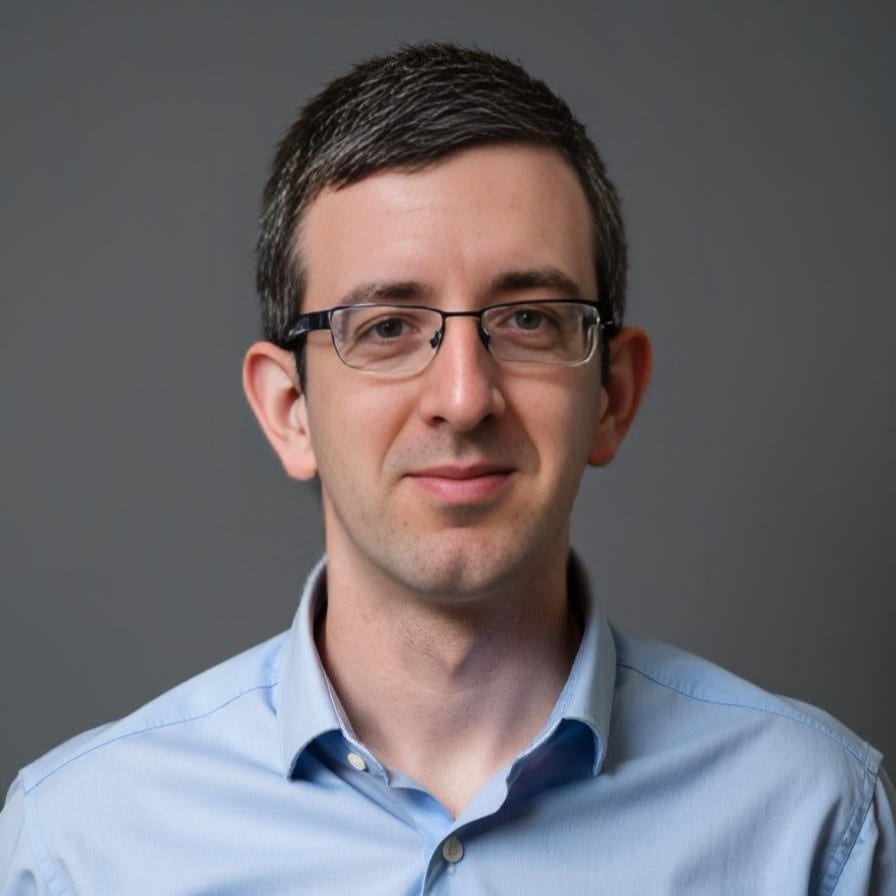
Naor
Granik
Postdoctoral Fellow
Massachussets Institute of Technology - MIT
RESEARCH PROPOSAL: Harnessing quantum physics to engineer new capabilities within biological systems, enhancing our ability to control biological functions for therapeutic applications
DEPARTMENT:
Biological Engineering
ADVISOR:
Christopher A. Voigt
AFFILLIATED ISRAELI INSTITUTION:
Technion
Read More
Naor Granik, PhD, earned his BSc in Electrical Engineering from the Technion – Israel Institute of Technology in 2017. During his undergraduate studies, he participated in the International Genetically Engineered Machine (iGEM) global synthetic biology competition, an experience that ignited his passion for synthetic biology and steered his transition into bioengineering. From 2017 to 2019, he pursued an MSc in biomedical engineering at the Technion, during which he pioneered a deep learning–based image analysis platform for advanced microscopy experiments.
Dr. Granik earned his PhD in applied mathematics with a specialization in synthetic biology from the Technion in 2024. His doctoral research centered on engineering synthetic RNA phase-separated organelles with dual applications: as therapeutic delivery vehicles for targeted treatment approaches and as tools for enhancing protein production efficiency in bacterial systems. For his contributions, he was awarded the Lior Merkin award for excellence in applied mathematics and the Gutwirth foundation fellowship.
Granik’s research interest lies at the intersection of biophysics and bioengineering. Bioengineering is an emerging field focused on designing and modifying biological systems to address challenges in medicine, agriculture, and environmental science. By combining engineering principles with biological insights, bioengineers aim to develop innovative solutions from targeted drug delivery systems to drought-resistant crops and novel environmental cleanup methods. Biophysics, on the other hand, applies the principles of physics to unravel the mechanisms that control biological processes, combining theoretical models with experimental techniques to explore the physical basis of life from molecules to whole organisms.
During his PhD, he focused on phase-separated biological systems, a growing research area that leverages concepts from polymer physics to explain how molecules spontaneously self-assemble into functional cellular structures. At MIT, his research now harnesses quantum physics to engineer new capabilities within biological systems, enhancing our ability to control biological functions for therapeutic applications.
Selected Publications:
Granik, N., Weiss, L. E., Nehme, E., Levin, M., Chein, M., Perlson, E., … & Shechtman, Y. (2019). Single-particle diffusion characterization by deep learning. Biophysical journal, 117(2), 185-192.
Granik, N., Katz, N., Willinger, O., Goldberg, S., & Amit, R. (2022). Formation of synthetic RNA protein granules using engineered phage-coat-protein-RNA complexes. Nature Communications, 13(1), 6811.
Kikuchi, N., Willinger, O., Granik, N., Gal, R., Navon, N., Ackerman, S., … & Amit, R. (2022). A Cell-Free Assay for Rapid Screening of Inhibitors of hACE2-Receptor–SARS-CoV-2-Spike Binding. ACS Synthetic Biology, 11(4), 1389-1396.
Katz, N., Tripto, E., Granik, N., Goldberg, S., Atar, O., Yakhini, Z., … & Amit, R. (2021). Overcoming the design, build, test bottleneck for synthesis of nonrepetitive protein-RNA cassettes. Nature communications, 12(1), 1576.
2025
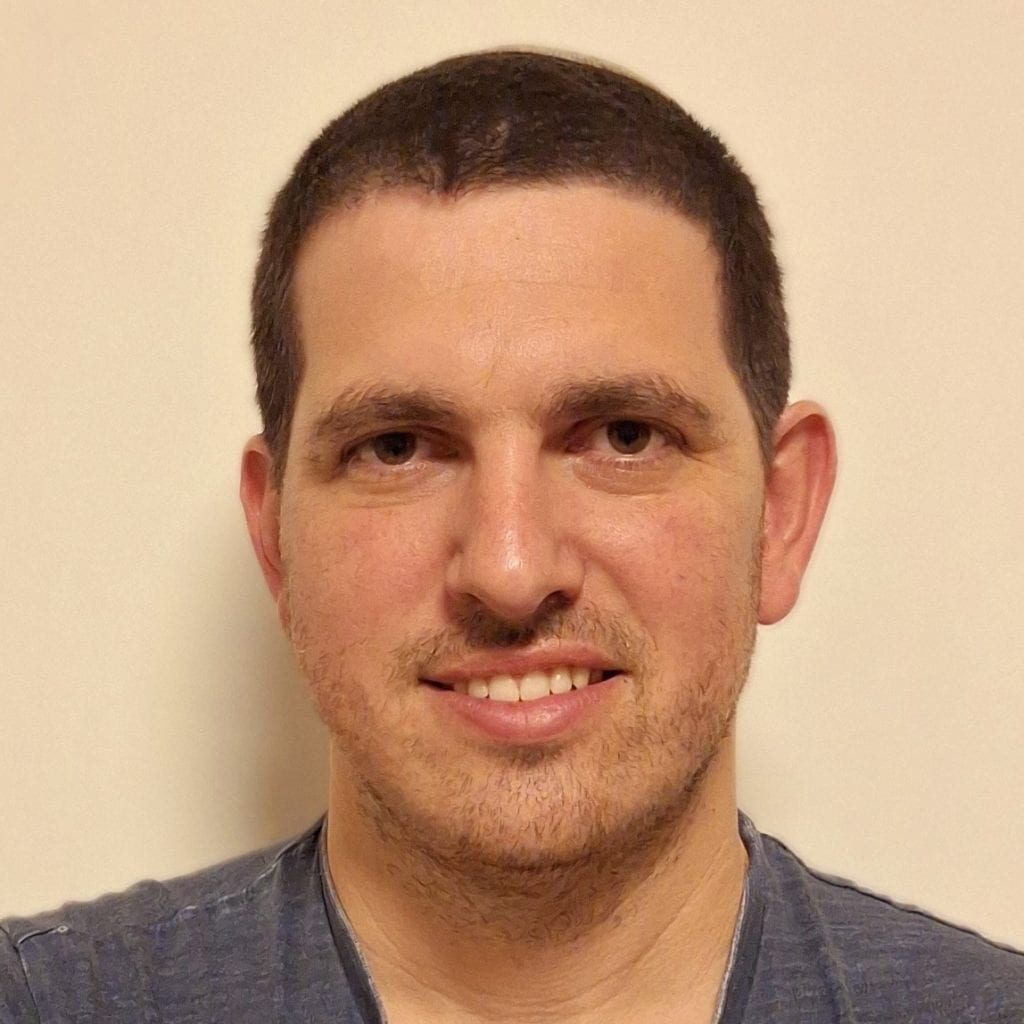
Shahar
Gvirtzman
Postdoctoral Fellow
Massachussets Institute of Technology - MIT
RESEARCH PROPOSAL: Studying cavitation and fracture phenomena in soft materials, and how the material softness affects its failure behavior
DEPARTMENT:
Civil & Environmental Engineering
ADVISOR:
Tal Cohen
AFFILLIATED ISRAELI INSTITUTION:
Hebrew University
Read More
Shahar Gvirtzman, PhD, earned his B.S. in Physics from the Hebrew University in Jerusalem in 2016. He moved on to a M.S. degree in Physics under the Nano-Science excellence program, and then joined the lab of Prof. Jay Fineberg to study the mechanisms controlling the onset of frictional motion.
His Ph.D. work focused on the formation of interfacial ruptures, which later led to the initiation of sliding. For this work, which has important implications to nucleation of earthquakes along tectonic faults, Dr. Gvirtzman was awarded the Goodman Prize from the Racah Institute of Physics in the Hebrew University. In 2016-2024, he served as a teaching assistant, mentoring undergraduate students in their lab courses in physics. In 2025, he was selected as a MIT-Kalaniyot Postdoctoral Fellow, and as a Zuckerman Postdoctoral Scholar.
Gvirtzman is an experimental physicist, whose research lies at the interface of soft matter physics and mechanical engineering. He is interested in the processes leading to material instability, and specifically in the transition from slow processes to rapid failure. He uses a variety of experimental techniques to record these processes and gain insight about the mechanisms controlling the failure dynamics. As failure processes often lack a comprehensive understanding of their underlying mechanisms, he also takes part in formulating a theoretical framework to support the experimental measurements.
In his Ph.D., he studied the onset of frictional sliding and managed to conduct, for the first time, controlled nucleation experiments, where the formation of frictional ruptures that enable the initiation of sliding was studied in detail. In his postdoctoral studies at MIT, he intends to study cavitation and fracture phenomena in soft materials, and study how the material softness affects its failure behavior.
Gvirtzman’s work has influence on fields outside of physics. While his Ph.D. work contributed to the understanding of earthquake nucleation along natural faults, the proposed work at MIT aims to understand fracture in biological tissues.
Selected publications:
Gvirtzman, S., & Fineberg, J. (2021). Nucleation fronts ignite the interface rupture that initiates frictional motion. Nature Physics, 17(9), 1037–1042. https://doi.org/10.1038/s41567-021-01299-9
Gvirtzman, S., & Fineberg, J. (2023). The Initiation of Frictional Motion—The Nucleation Dynamics of Frictional Ruptures. Journal of Geophysical Research: Solid Earth, 128(2). https://doi.org/10.1029/2022JB025483
Gvirtzman, S., Kammer, D. S., Adda-Bedia, M., & Fineberg, J. (2025). How frictional ruptures and earthquakes nucleate and evolve. Nature, 637(8045), 369–374. https://doi.org/10.1038/s41586-024-08287-y
2025
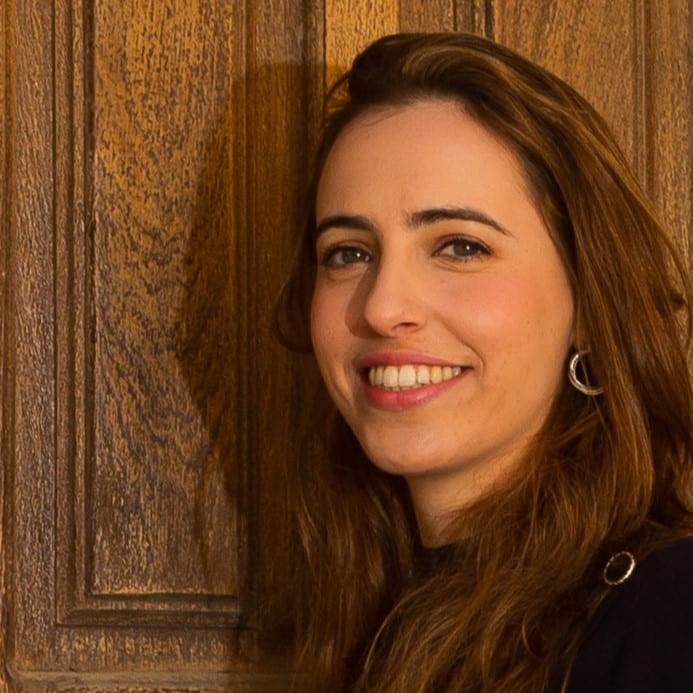
Esty
Kelman
Postdoctoral Fellow
Massachussets Institute of Technology - MIT
RESEARCH PROPOSAL: Understanding the global and local structures of mathematical objects
DEPARTMENT:
Mathematics; Computer Science and Artificial Intelligence Laboratory (CSAIL)
ADVISOR:
Dor Minzer
AFFILLIATED ISRAELI INSTITUTION:
Tel-Aviv University
Read More
Esty Kelman, PhD, is a postdoctoral researcher with MIT Mathematics and MIT Computer Science & Artificial Intelligence Laboratory (CSAIL). She was previously a postdoctoral fellow at CS and CDS at Boston University and CSAIL, MIT. She was hosted by Piotr Indyk, Krzysztof Onak, Sofya Raskhodnikova, and Ronitt Rubinfeld.
Prior to this, she held a postdoctoral position at Reichmann University and the Hebrew University of Jerusalem, hosted by Prof. Gil Kalai. Prof. Muli Safra advised her at the Theory of Computation Group at Tel-Aviv University for her PhD, which focused on the analysis of Boolean functions.
Dr. Kelman’s research interests are in theoretical computer science, including computational complexity, probabilistically checkable proofs, and sublinear algorithms, alongside the analysis of Boolean functions and combinatorics.
Her research focuses on understanding the global and local structures of mathematical objects, such as multivariate functions or graphs, to deepen insights into computational complexity theory. It employs analytical and combinatorial tools to tackle questions such as: Can one learn nontrivial information about the global structure of an object by examining only a small part of it? Can the global structure be inferred from a local, possibly unstructured, view?
Selected publications:
E. Kelman, U. Meir, K. Z. Zheng. “Optimal Testing of Reed-Muller Codes with an Online Adversary,” CCC 2026.
E. Kelman, U. Meir, D. Nayak, S. Raskhodnikova. “Homomorphism testing with resilience to online manipulations,” RANDOM 2026.
Filmus, Y., Hatami, H., Hosseini, K., & Kelman, E. (2024, October). Sparse graph counting and kelley-meka bounds for binary systems. In 2024 IEEE 65th Annual Symposium on Foundations of Computer Science (FOCS) (pp. 1559-1578). IEEE.
Ben-Eliezer, O., Kelman, E., Meir, U., & Raskhodnikova, S. (2024). Property Testing with Online Adversaries. In 15th Innovations in Theoretical Computer Science Conference (ITCS 2024) (pp. 11-1). Schloss Dagstuhl–Leibniz-Zentrum für Informatik.
Arora, V., Bhattacharyya, A., Fleming, N., Kelman, E., & Yoshida, Y. (2023). Low degree testing over the reals. In Proceedings of the 2023 Annual ACM-SIAM Symposium on Discrete Algorithms (SODA) (pp. 738-792). Society for Industrial and Applied Mathematics.
Kelman, E., Kindler, G., Lifshitz, N., Minzer, D., & Safra, M. (2020). Towards a proof of the Fourier-entropy conjecture?. Geometric and Functional Analysis, 30(4), 1097-1138.
2025
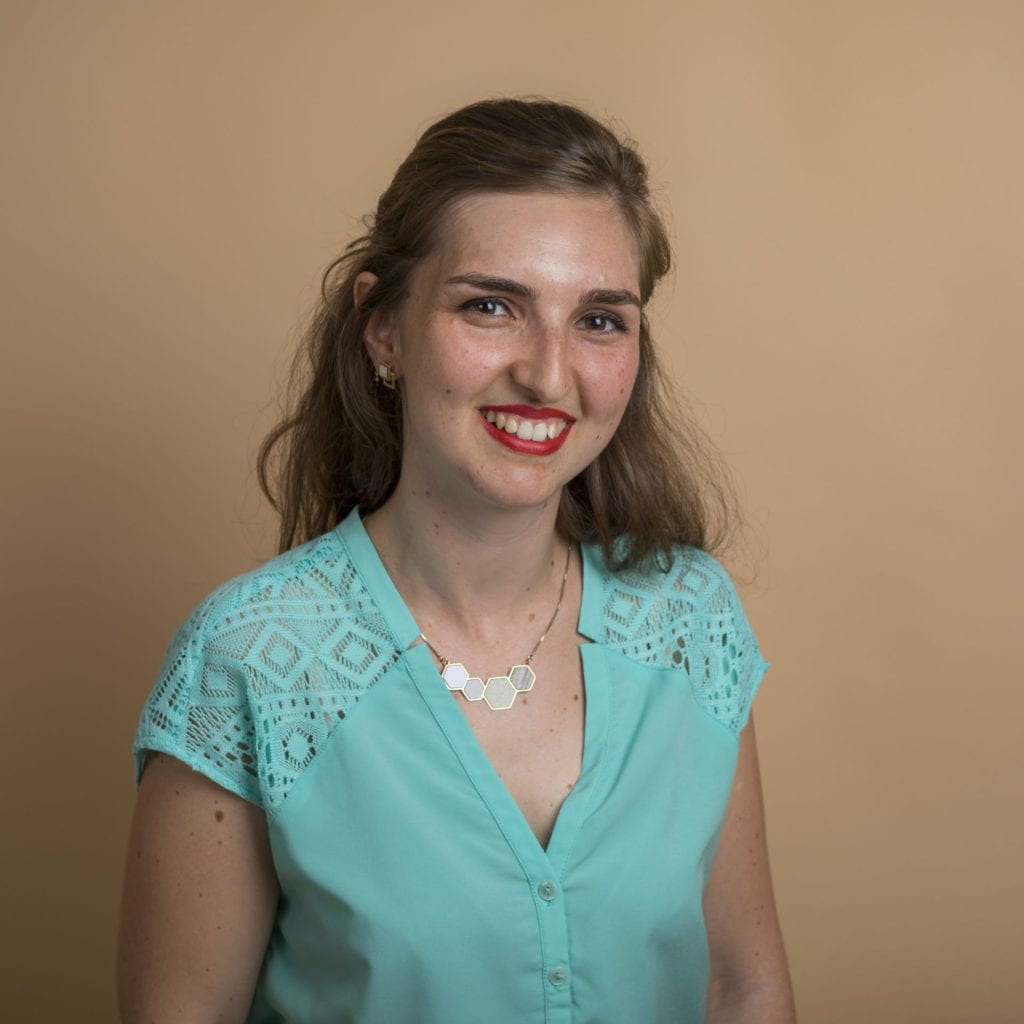
Michal
Levin
Postdoctoral Fellow
Massachussets Institute of Technology - MIT
RESEARCH PROPOSAL: The mechanics of polymeric materials, with a special interest in linking microscopic structure to macroscopic behavior
DEPARTMENT:
Civil and Environmental Engineering
ADVISOR:
Tal Cohen
AFFILLIATED ISRAELI INSTITUTION:
Technion
Read More
Michal Levin, PhD, is a materials scientist and engineer specializing in the mechanics of soft materials. She holds dual B.Sc. degrees with Cum Laude honors in Materials Science and Engineering and in Chemistry from the Technion, where she also completed her direct-track PhD in Materials.
Her doctoral research in Prof. Noy Cohen’s group focused on understanding the swelling of gels under constraints, by developing novel modeling frameworks and 3D-printing-based techniques. During her Ph.D., Dr. Levin was recognized as a scholar of the prestigious Ariane de Rothschild Women Doctoral Program and received multiple Outstanding Teaching Assistant awards.
In 2025, she joined MIT as a postdoctoral researcher and MIT-Kalaniyot Fellow in Prof. Tal Cohen’s lab in the Department of Civil and Environmental Engineering. She also received the Israeli PBC award for Outstanding Postdoctoral Women Scholars.
Dr. Levin’s research centers on the mechanics of polymeric materials, with a special interest in linking microscopic structure to macroscopic behavior. During her Ph.D., she investigated how mechanical, chemo-mechanical, and biomechanical constraints influence the swelling of diverse gels, including PNIPAM, PEGDA hydrogels, and biological gels such as the vitreous of the eye.
Through the integration of statistical mechanics and continuum mechanics, her studies established multi-scale frameworks that capture the fundamental responses of these systems. Her work included the development of novel experimental setups using 3D-printing, which enabled quantification of swelling-induced stresses in gels and evolved into the design of gel-based actuators. These insights provide powerful design tools for applications in biomedical engineering, soft robotics, and agriculture.
Selected publications:
Levin, M., Hanuhov, T., & Cohen, N. (2025). Autonomous lifting: Swelling-activated 3D-printed actuators. Sensors and Actuators A: Physical, 116971.
Levin, M., & Cohen, N. (2025). Thermo-Mechanics of PNIPAM Gels: from a Single Chain to a Network Response. Macromolecules, 58(10), 5187-5200.
Levin, M., Tang, Y., Eisenbach, C. D., Valentine, M. T., & Cohen, N. (2024). Understanding the response of poly (ethylene glycol) diacrylate (PEGDA) hydrogel networks: a statistical mechanics-based framework. Macromolecules, 57(15), 7074-7086.
Levin, M., & Cohen, N. (2023). Swelling under Constraints: Exploiting 3D‐Printing to Optimize the Performance of Gel‐Based Devices. Advanced Materials Technologies, 8(14), 2202136. Cover article.
2025
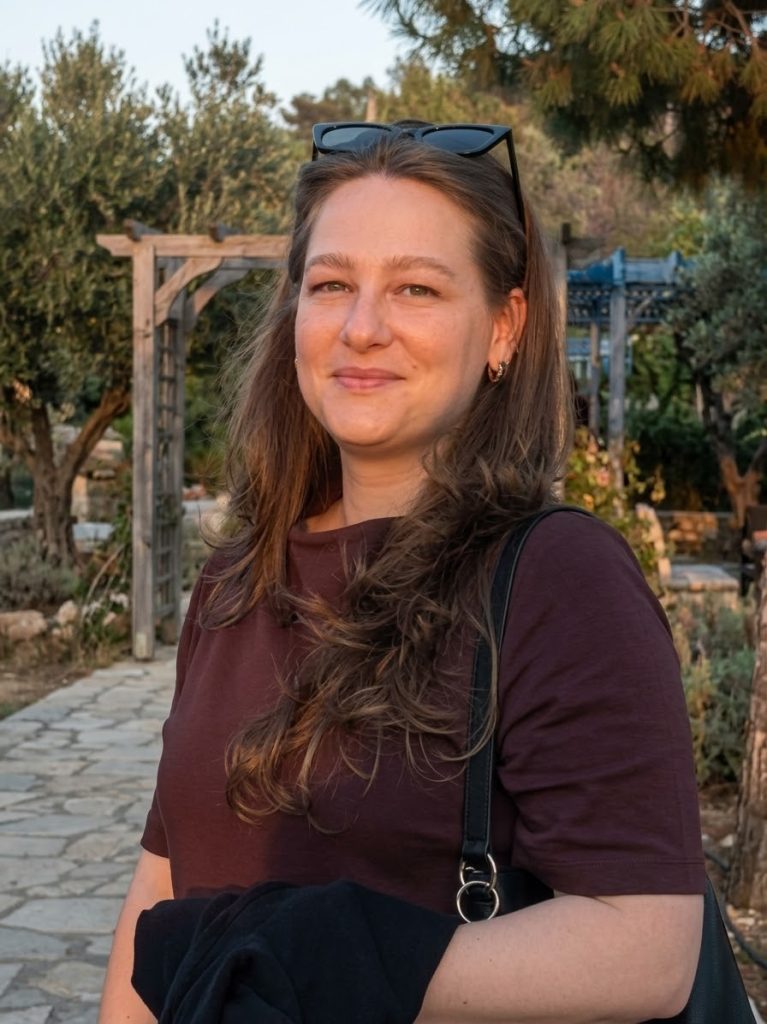
Alexandra
Litvitcin
Medical Fellow
Harvard University
RESEARCH PROPOSAL: Observership in Radiology, Massachusetts General Hospital (MGH)
DEPARTMENT:
Harvard Medical School; Radiology, Massachusetts General Hospital (MGH)
ADVISOR:
Frank Simeone
AFFILLIATED ISRAELI INSTITUTION:
Soroka Medical Center
Read More
Alexandra Litvitcin, MD, is a board-certified diagnostic radiologist at Soroka Medical Center in Beer Sheva, Israel. She received her medical degree from Dnipropetrovsk State Medical University in Ukraine in 2015, and completed her internship and diagnostic radiology residency at Soroka Medical Center. Her main professional interests are musculoskeletal imaging, particularly musculoskeletal ultrasound, as well as emergency and trauma radiology.
In 2025, she completed a clinical observership in Radiology at Massachusetts General Hospital and Harvard Medical School, as a Kalaniyot Medical Fellow.
Alexandra Litvitcin was a Kalaniyot visiting medical fellow at an HMS affiliated hospital.
2025
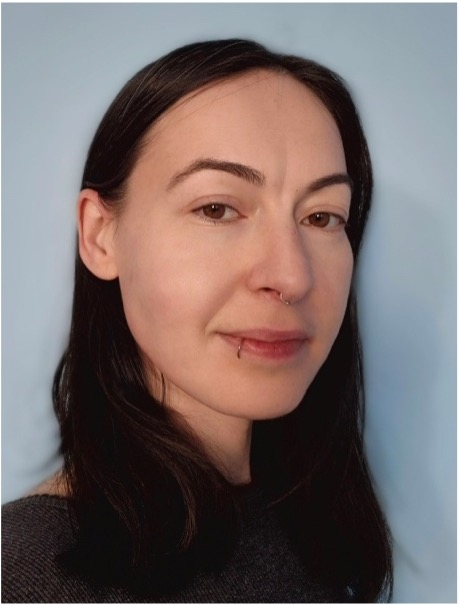
Svetlana
Markman
Postdoctoral Fellow
Harvard University
RESEARCH PROPOSAL: Mechanosensory Neurons Underlying Milk Ejection and Maternal–Infant Bonding
DEPARTMENT:
Harvard Medical School Life Sciences
ADVISOR:
David Ginty
AFFILLIATED ISRAELI INSTITUTION:
Weizmann Institute of Science
Read More
Svetlana Markman, PhD, is a Postdoctoral Fellow in Life Sciences at Harvard Medical School.
Dr. Markman currently investigates how sensory neurons in the skin detect touch and translate it into hormonal signals in the brain that regulate physiology, emotions, and social bonding. Using lactating female mice as a natural biological model, her research identifies the specific sensory neuron subtypes that trigger oxytocin release in response to pup suckling — a process essential for milk ejection and maternal–infant bonding — offering new insight into how peripheral signals control brain function.
She previously completed her PhD at the Weizmann Institute of Science, where she studied a fundamental question in developmental biology: how complex organ morphology emerges from an initially amorphous group of cells. Her doctoral work uncovered a previously unrecognized, intricate three-dimensional blueprint by which distinct bones emerge during embryonic development, reshaping the field's understanding of skeletal assembly.
2025
Firas
Mawase
Sabbatical Scholar
Massachussets Institute of Technology - MIT
RESEARCH PROPOSAL: How the brain controls movement and learns new motor skills, bridging fundamental neural mechanisms with real-world rehabilitation
DEPARTMENT:
Biological Engineering
ADVISOR:
Alan Jasanoff
AFFILLIATED ISRAELI INSTITUTION:
Technion
Read More
Firas Mawase, PhD, is an Associate Professor at the Technion – Israel Institute of Technology, where he leads the Neurorehabilitation and Sensorimotor Neuroscience Lab.
Prof. Mawase earned his PhD in Biomedical Engineering from Ben-Gurion University of the Negev and sharpened his expertise during a postdoctoral fellowship at Johns Hopkins School of Medicine. Along the way, he was selected as one of Globes’ “40 Under 40” promising young leaders. He has also received prestigious honors such as the Rothschild Fellowship, the Alfred Blalock Award for outstanding clinical work, and the MAOF Fellowship for exceptional young faculty. These accolades highlight Mawase’s blend of excellence in clinical insight, innovative research, and dedication to education.
Firas Mawase’s research focuses on how the brain controls movement and learns new motor skills, bridging fundamental neural mechanisms with real-world rehabilitation. His lab investigates how different brain regions, particularly the motor cortex and cerebellum, work together to coordinate action. A central focus is on sensorimotor adaptation and skill learning, examining how we adjust movements in response to feedback and acquire new motor abilities over time.
His team has identified specialized neural circuits for fine finger control; for instance, certain motor and premotor areas are essential for finger individuation but not necessarily for generating force. The lab also develops and applies computational models, including artificial neural networks, to simulate how cortical and subcortical structures interact during motor learning and recovery, especially in the context of stroke. Through this integrative approach, Dr. Mawase’s work advances both basic neuroscience and the development of effective rehabilitation strategies.
Selected publications:
Kamara G, Rajchert O, Solomonow-Avnon D and Mawase F (2023). Generalization reveals asymmetric and interactive control networks for multi-finger dexterous movements. Cell Reports. 42(3):112214.
Sulieman A, Solomonow-Avnon D, Mawase F (2023). Cortically-evoked movement in humans reflects history of prior executions, not plan for upcoming movement. Journal of Neuroscience. 43 (27) 5030-5044.
Xu J*, Mawase F*, Schieber MH (2024). Evolution, biomechanics, and neurobiology converge to explain selective finger motor control. Physiological Reviews. doi: 10.1152/physrev.00030.2023. *Equally contributed.
Kadry A*, Solomonow-Avnon D*, Norman S, Xu J, Mawase F (2024). An ANN models cortical-subcortical interaction during post-stroke recovery of finger dexterity. *Equally contributed. Journal of Neural Engineering. 21:66011.
2025
Gal
Neria
Postdoctoral Fellow
Massachussets Institute of Technology - MIT
RESEARCH PROPOSAL: Optimizing dynamic stochastic systems
DEPARTMENT:
Management
ADVISOR:
Alexandre Jacquillat
AFFILLIATED ISRAELI INSTITUTION:
Tel-Aviv University
Read More
Gal Neria, PhD, is an MIT-Kalaniyot Postdoctoral Fellow at MIT Sloan School of Management, developing data-driven algorithms to support real-time decision-making in dynamic and uncertain environments. Her PhD is in Industrial Engineering at Tel Aviv University, advised by Professor Michal Tzur. Her work has been recognized with multiple honors, including the VATAT Scholarship for Outstanding Women Doctoral Students in Hi-Tech and the Best Paper Award by ORSIS. Two of her Ph.D. papers were published in Transportation Science.
Beyond research, Dr. Neria is passionate about promoting equity—both through algorithmic design and through her community work with students and families affected by conflict and inequality.
Dr. Neria’s research lies at the intersection of operations research and machine learning, with a focus on optimizing dynamic stochastic systems. Her work addresses real-world challenges such as equitable distribution in food banks, coordinated meal delivery, and efficient order fulfillment. She studies systems in which real-time decisions must be made under uncertainty, developing hybrid methodologies that combine the structural strengths of optimization models with the predictive power of machine learning. Her goal is to create intelligent, scalable, and fair decision-making systems that are robust to uncertainty and adaptable across a wide range of industries—contributing to more efficient and equitable global operations.
Selected publications:
Neria, G., and Tzur, M., 2024. The Dynamic Pickup and Allocation with Fairness Problem. Transportation Science 58(4):821-840.
Neria, G., Hildebrandt, F.D., Tzur, M. and Ulmer, M.W., 2025. The Restaurant Meal Delivery Problem with Ghost Kitchens. Transportation Science 59(2):433-450.
Neria, G., and Tzur, M, 2026. Fair and Effective Dynamic Allocation under Stochastic Supply and Demand. European Journal of Operational Research.
Neria, G., Tzur, M., and Ulmer, M. “A General Decomposition Framework for Dynamic Two-Stage Order Fulfillment Problems”. Under Review.
2025
Daniel
Nevo
Sabbatical Scholar
Massachussets Institute of Technology - MIT
RESEARCH PROPOSAL: Advancing causal inference methodology and applying it to real problems
DEPARTMENT:
Institute for Data, Systems and Society (IDSS)
ADVISOR:
Dean Eckles
AFFILLIATED ISRAELI INSTITUTION:
Tel-Aviv University
Read More
Daniel Nevo, PhD, is an Associate Professor in the Department of Statistics and Operations Research at Tel Aviv University. His research spans statistical theory, methodological development, and applied work, with a particular emphasis on causal inference and survival analysis. He collaborates with clinicians, epidemiologists, economists, and computer scientists in both academia and health organizations, aiming to draw causal conclusions from complex and rich datasets.
Daniel is a member of the TAD Center for Artificial Intelligence and Data Science and the Tel Aviv University Center for Combating Pandemics. He serves as an Associate Editor for Biometrics and is a council member of the Israel Statistics and Data Science Association. He received his PhD in Statistics from the Hebrew University of Jerusalem in 2016, followed by a three-year postdoctoral fellowship in the Departments of Biostatistics and Epidemiology at the Harvard T.H. Chan School of Public Health, before joining Tel Aviv University in 2018.
His research advances causal inference methodology and applies it to real problems. One major line of his work involves causal inference for time-to-event data, and specifically alternatives to hazard ratios and complex data structures such as semi-competing risks.
In those situations, defining and identifying meaningful estimands is often challenging. He also works on causal inference under interference, where treatment assigned to one unit can affect others.
A key assumption shared by existing methods is that the network encoding the interference structure is given and correctly specified. Daniel studies the implications of violations of this assumption and offers solutions when the network is fixed but misspecified, only proxy observations are available, or when the network is observed, but interest lies in causal effects in a new population under a different, possibly unknown, network.
Daniel has recently been working on methods related to econometrics, including the use of negative controls to assess instrumental variable assumptions and recent work on correcting invalid regression discontinuity designs using data from multiple time periods. His research is often motivated by real-world problems emerging from existing datasets, and he actively collaborates with domain experts on projects requiring causal reasoning and methodology.
Selected publications:
O. Danieli, D. Nevo, I. Walk, B. Weinstein, and D. Zeltzer | Negative Control Falsification Tests for Instrumental Variable Designs | April 2026 | American Economic Review | DOI: 10.1257/aer.20240636
Danieli, O., Nevo, D., Walk, I., Weinstein, B., & Zeltzer, D. (2025). Negative control falsification tests for instrumental variable designs. arXiv preprint arXiv:2312.15624.
Nevo, D., & Gorfine, M. (2022). Causal inference for semi-competing risks data. Biostatistics, 23(4), 1115-1132.
Hayek, S., Shaham, G., Ben-Shlomo, Y., Kepten, E., Dagan, N., Nevo, D., … & Barda, N. (2022). Indirect protection of children from SARS-CoV-2 infection through parental vaccination. Science, 375(6585), 1155-1159.
Nevo, D., Lok, J. J., & Spiegelman, D. (2021). Analysis of “learn-as-you-go” (LAGO) studies. Annals of statistics, 49(2), 793.
2025
Jonathan
Rosenski
Postdoctoral Fellow
Harvard University
RESEARCH PROPOSAL: Defining the Lineage-State Dependencies of Biliary Tract Cancers: A Multi-omic Atlas to Guide Next-Generation Precision Therapies
DEPARTMENT:
Harvard Medical School Pathology; Massachusetts General Hospital (MGH); Broad Institute
ADVISOR:
Gad Getz
AFFILLIATED ISRAELI INSTITUTION:
Hebrew University
Read More
Jonathan Rosenski, PhD, is a Postdoctoral Fellow at Harvard Medical School, Mass General Hospital, Mass General Brigham, and the Broad Institute.
He completed his PhD in Computer Science and Computational Biology at the Hebrew University of Jerusalem, developing methods to understand how epigenetic regulation establishes cellular identity and building a comprehensive map of genetic regulatory "switches" that revealed new ways cells use the same genome to generate extraordinary diversity, and how inherited variants drive disease in specific cell types.
Now a postdoctoral researcher at Mass General Brigham under the mentorship of Prof. Gad Getz, Dr. Rosenski is developing a spatially resolved molecular atlas of biliary tract cancers, identifying the genetic switches that each cancer subtype depends on. By integrating spatially resolved multi-omic data from 438 patient tumors, his work reveals cancer-immune interactions and their genetic dependencies, laying groundwork for a next generation of personalized combination therapies with the potential to significantly improve outcomes for patients with these aggressive cancers.
The project requires the unique combination of resources at HMS, MGH, DFCI, and the Broad Institute, where his collaborators — world-leading clinicians, pioneering cancer biologists, and computational innovators — provide access to unparalleled patient data, cutting-edge experimental and sequencing technology, and state-of-the-art computing resources essential to translating complex data into clinical breakthroughs.
2025
Reut
Shalgi
Sabbatical Scholar
Massachussets Institute of Technology - MIT
RESEARCH PROPOSAL: Understanding basic mechanisms underlying neurodegeneration, with a special focus on ALS
DEPARTMENT:
Broad Institute
ADVISOR:
Paul Blainey
AFFILLIATED ISRAELI INSTITUTION:
Technion
Read More
Reut Shalgi, PhD, holds a B.Sc. in Computer Science and Life Sciences from Tel Aviv University, and an M.Sc. in Bioinformatics from the Weizmann Institute of Science in Israel. During her PhD at the Weizmann Institute, she started to integrate molecular and computational biology, and has continued with this combination ever since. In 2009, Prof. Shalgi moved to MIT to pursue her postdoctoral fellowship, where she studied protein homeostasis-related translation and splicing regulation, under the joint mentorship of Prof. Chris Burge and the late Prof. Susan Lindquist.
Prof. Shalgi then became a faculty member at the Technion in the Rappaport Faculty of Medicine at the end of 2014, where she is currently an Associate Professor. She is also a member of the Rappaport Family Institute for Research in the Medical Sciences and the Prince Center for Neurodegenerative Disorders of the Brain.
Prof. Shalgi has won several awards, including the Feruccio Ritossa Award, given in 2023 by the Cell Stress Society International, in recognition of her pathbreaking studies of the functions and malfunctions of proteostasis networks in aging and neurodegeneration.
Using a systems biology approach, combining high-throughput methodologies, molecular biology, and computational biology, the Shalgi lab explores protein homeostasis regulatory networks in mammalian cells. The lab studies transcriptional regulation, translational regulation and network function, how they are integrated to achieve protein homeostasis under challenging environments, and how they fail in neurodegenerative diseases. Specifically, the lab seeks to understand both basic mechanisms underlying neurodegeneration, with a special focus on ALS, as well as how we can boost our cells’ capacity to combat these devastating diseases.
By generating large scale datasets and applying computational biology tools, the Shalgi lab has unraveled novel principles underlying proteostasis regulation. The Shalgi lab strives to link multi-level regulation to function, with the overarching goal of gaining a deep understanding of how mammalian systems are well adapted to maintaining protein homeostasis, and why they fail in neurodegeneration.
Selected publications:
Akaree, N., Secco, V., Levy-Adam, F., Younis, A., Carra, S., & Shalgi, R. (2025, Jan 5). Regulation of physiological and pathological condensates by molecular chaperones. FEBS J. https://doi.org/10.1111/febs.17390
Hadar, S., Meller, A., Saida, N., & Shalgi, R. (2022, Dec 22). Stress-induced transcriptional readthrough into neighboring genes is linked to intron retention. iScience, 25(12), 105543. https://doi.org/10.1016/j.isci.2022.105543
Rozales, K., Younis, A., Saida, N., Meller, A., Goldman, H., Kellerman, L., Heinrich, R., Berlin, S., & Shalgi, R. (2022, Jan 26). Differential roles for DNAJ isoforms in HTT-polyQ and FUS aggregation modulation revealed by chaperone screens. Nat Commun, 13(1), 516. https://doi.org/10.1038/s41467-022-27982-w
Sabath, N., Levy-Adam, F., Younis, A., Rozales, K., Meller, A., Hadar, S., Soueid-Baumgarten, S., & Shalgi, R. (2020, Dec 15). Cellular proteostasis decline in human senescence. Proc Natl Acad Sci U S A, 117(50), 31902-31913. https://doi.org/10.1073/pnas.2018138117
2025
Assaf
Shmuel
Visiting Scholar
Dartmouth College
RESEARCH PROPOSAL: Why does observed climate change tend to evolve at a roughly linear rate, despite sharp increases in greenhouse gas emissions in recent decades?
DEPARTMENT:
Geography
ADVISOR:
Justin Mankin
AFFILLIATED ISRAELI INSTITUTION:
Weizmann Institute of Science
Read More
Assaf Shmuel, PhD, is a Visiting Scholar at the Dartmouth Kalaniyot Chapter, supported by the Israeli Council for Higher Education Fellowship for Climate Scientists. He works with Prof. Ron Milo at the Weizmann Institute of Science in Israel and Prof. Carl Schleussner at IIASA in Austria. He previously completed doctoral degrees in Computer Science, Geophysics, and Political Science. His research focuses on applying machine learning to climate science, with recent work examining differences between regional and global patterns of climate change.
During his visit to Dartmouth, supported by Kalaniyot and the Department of Mathematics, Dr. Shmuel is collaborating with Prof. Justin Mankin to investigate why observed climate change tends to evolve at a roughly linear rate rather than accelerate, despite substantial increases in greenhouse gas emissions in recent decades. The project compares simulations with observations and examines how datasets, definitions of acceleration, and regional-to-global relationships shape our understanding of climate acceleration.
2025
Jad
Silbak
Postdoctoral Fellow
Massachussets Institute of Technology - MIT
RESEARCH PROPOSAL: Understanding how computational restrictions on adversaries enable constructions that are impossible in the information-theoretic setting.
DEPARTMENT:
Electrical Engineering; Computer Science
ADVISOR:
Yael T. Kalai; Vinod Vaikuntanathan
AFFILLIATED ISRAELI INSTITUTION:
Tel-Aviv University
Read More
Jad Silbak, PhD, is a Postdoctoral Fellow at the Electrical Engineering & Computer Science department at MIT, hosted by Prof. Yael T. Kalai Prof. Vinod Vaikuntanathan. He previously was a Simons Postdoctoral Fellow as part of the Simons Institute summer program on cryptography; and a Distinguished Postdoctoral Fellow at Northeastern University’s Khoury College of Computer Sciences in Boston, where he collaborated with Professor Daniel Wichs on research in cryptography.
Dr. Silbak earned his Ph.D. in Computer Science from Tel Aviv University, where he was advised by Prof. Iftach Haitner and Ronen Shaltiel. Before his doctoral studies, he completed both his B.Sc. and M.Sc. in Computer Science at the University of Haifa, under the supervision of Prof. Ronen Shaltiel.
Dr. Silbak’s research is in theoretical computer science, lying at the intersection of cryptography, differential privacy, and complexity theory. A central theme in his work is understanding how computational restrictions on adversaries enable constructions that are impossible in the information-theoretic setting.
In coding theory, he works on constructing error-correcting codes with improved rates and efficiency against adversarial channels with limited computational power. His work introduced techniques for building such codes based on new notions of computational hardness, including hard-to-sample functions, a stronger variant of average-case hardness. This notion has found several new applications in cryptography and complexity and serves as a key tool in constructing better randomness extractors for efficiently samplable distributions.
In the context of differential privacy, his research aims to characterize which cryptographic assumptions are necessary for performing differentially private computations with non-trivial accuracy. His broader research interests include hardness amplification, meta-complexity, and the connections between cryptographic primitives and fundamental questions in computational complexity.
Select Publications:
George Lu, Jad Silbak, Daniel Wichs. “Achieving Shannon Capacity for Computationally Bounded Errors,” CRYPTO 2026.
Ball, M., Shaltiel, R., & Silbak, J. (2025). Extractors for Samplable Distributions with Low Min-Entropy. In Proceedings of the 57th Annual ACM Symposium on Theory of Computing.
Silbak, J., & Wichs, D. (2025). Binary Codes for Error Detection and Correction in a Computationally Bounded World. In Annual International Conference on the Theory and Applications of Cryptographic Techniques. Cham: Springer Nature Switzerland.
Shaltiel, R., & Silbak, J. (2024, June). Explicit codes for poly-size circuits and functions that are hard to sample on low entropy distributions. In Proceedings of the 56th Annual ACM Symposium on Theory of Computing (pp. 2028-2038).
Haitner, I., Mazor, N., Silbak, J., & Tsfadia, E. (2022, June). On the complexity of two-party differential privacy. In Proceedings of the 54th Annual ACM SIGACT Symposium on Theory of Computing (pp. 1392-1405).
2024
Lior
Alon
Honorary Postdoctoral Fellow
Massachussets Institute of Technology - MIT
RESEARCH PROPOSAL: Simons Collaboration on Localization of Waves
DEPARTMENT:
Mathematics
ADVISOR:
David Jerison
AFFILLIATED ISRAELI INSTITUTION:
Technion
Read More
Lior Alon, PhD is currently an Assistant Professor of Mathematics at Ben-Gurion University. He previously worked as an instructor and postdoctoral associate in the MIT Mathematics Department. He completed his undergraduate and graduate studies at the Technion and served seven years as a naval officer in the Israeli Navy.
Following the October 7th events, he worked to de-escalate tensions while taking action against attempts to delegitimize Israelis at MIT. He also supported grieving community members and collaborated with the administration to secure mental health and bureaucratic assistance for affected postdocs.
2024
Dvir
Harris
Honorary Postdoctoral Fellow
Massachussets Institute of Technology - MIT
RESEARCH PROPOSAL: Probing energy transfer dynamics using advanced spectroscopic and biochemical methods
DEPARTMENT:
Chemistry
ADVISOR:
Gabriela Schlau-Cohen
AFFILLIATED ISRAELI INSTITUTION:
Technion
Read More
Dvir Harris, PhD, is currently an Assistant Professor in the Faculty of Chemistry at the Technion, Israel. He previously completed his postdoctoral research in the Department of Chemistry at MIT, and both his undergraduate degree in Biochemistry and his PhD in Energy at the Technion. He also founded the Chemistry community within the ScienceAbroad organization, helping Israeli chemists around the world connect and network with one another.
After the October 7th events, Dr. Harris engaged in community building, on-campus activism, strategic planning, and discussions with senior administration to help secure the best outcomes for the Israeli and Jewish community at MIT. He is also part of a global network of scientists working to combat antisemitism in academia.
2024
Yuval
Jacobi
Honorary Postdoctoral Fellow
Massachussets Institute of Technology - MIT
RESEARCH PROPOSAL: The effect of surface properties on the interactions of particles and marine mucous filters
DEPARTMENT:
Earth, Atmospheric, and Planetary Sciences
ADVISOR:
Robert van der Hilst
AFFILLIATED ISRAELI INSTITUTION:
Technion
Read More
Yuval Jacobi, PhD, is a postdoctoral associate in MIT’s Department of Earth, Atmospheric and Planetary Sciences.
A marine microbial ecologist and biogeochemist, Dr. Jacobi studies how microscale environments within marine particles shape microbial metabolism and ocean biogeochemistry. His research combines controlled laboratory experiments with field observations. Dr. Jacobi earned his MSc from Tel-Aviv University and his PhD from the Technion.
Alongside his scientific work, he continues to advocate against antisemitism and for inclusive environment within and beyond the MIT community.
2024
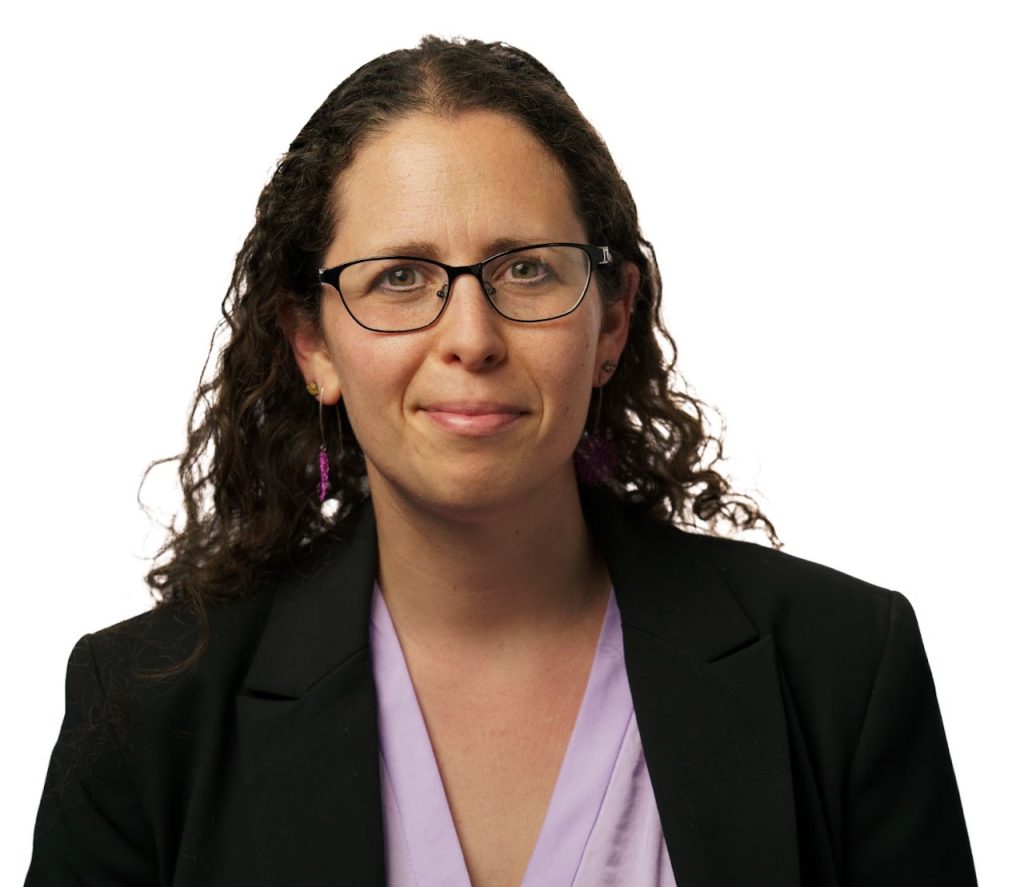
Elee
Shimshoni
Honorary Postdoctoral Fellow
Massachussets Institute of Technology - MIT
RESEARCH PROPOSAL: Testing novel drugs for obesity using complex 3D culture models
DEPARTMENT:
Chemistry; Computer Science and Artificial Intelligence Laboratory (CSAIL)
ADVISOR:
Brad Pentelute; Manolis Kellis
AFFILLIATED ISRAELI INSTITUTION:
Weizmann Institute of Science
Read More
Elee Shimshoni, PhD, is currently a researcher at a drug repurposing non-profit organization. She previously completed her postdoctoral research at MIT in the Department of Chemistry and the Computer Science and Artificial Intelligence Laboratory (CSAIL). She earned her undergraduate degree in Biology and Psychology from the Hebrew University of Jerusalem and completed her graduate studies at the Weizmann Institute of Science.
Dr. Shimshoni also serves as Scientific Director for "Little, Big Science," an Israeli science communication organization that produces popular science content for Hebrew-speaking audiences.
Following the October 7th events, she was active in the Jewish and Israeli community at MIT, producing graphic content for the campus's Jewish and Israeli group to help advocate for the Israeli perspective.
2024
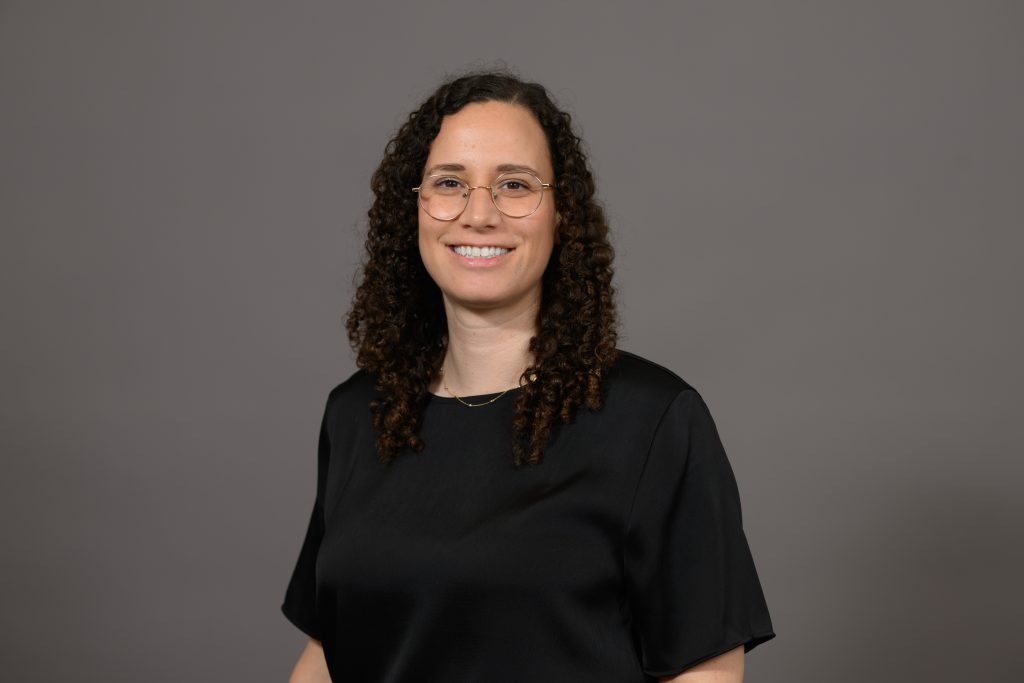
Shai
Zilberzwige-Tal
Honorary Postdoctoral Fellow
Massachussets Institute of Technology - MIT
RESEARCH PROPOSAL: Decoding the evolutionary origins of bacterial gene-editing systems, such as CRISPR
DEPARTMENT:
Broad Institute
ADVISOR:
Feng Zhang
AFFILLIATED ISRAELI INSTITUTION:
Weizmann Institute of Science
Read More
Shai Zilberzwige-Tal, PhD, is currently a Principal Investigator at the Weizmann Institute of Science. Her research focuses on synthetic biology, CRISPR and RNA-based systems, with an emphasis on understanding and engineering microbial defense mechanisms. She previously completed her postdoctoral research at MIT and the Broad Institute. A graduate of Tel Aviv University, she also served as a paramedic in the Gaza Strip and the West Bank
While at MIT, Dr. Zilberzwige-Tal worked actively to raise awareness about rising antisemitism on campus and to strengthen connections between Israelis and the broader Jewish community. In the aftermath of the October 7th massacre, she co-founded a nationwide organization of Israeli academics dedicated to supporting Israelis in the United States.